

Lab created diamonds are transforming the jewelry world, sparking one big question: are lab created diamonds good? In 2026, more people are turning to lab grown options, drawn by their beauty, ethical appeal, and affordability.
With so much interest, it is natural to wonder if these stones truly match natural diamonds in brilliance, value, and durability. This guide explores the science, quality, ethics, value, and key buying tips you need.
Read on for expert insights and the facts that will help you decide if lab created diamonds are the right choice for you.
Understanding Lab Created Diamonds: The Science and Process
Lab created diamonds are sparking fresh debate in the jewelry world. But are lab created diamonds good enough to rival natural stones? To answer this, let’s break down the science, the creation process, and the latest advancements.
What Are Lab Created Diamonds?
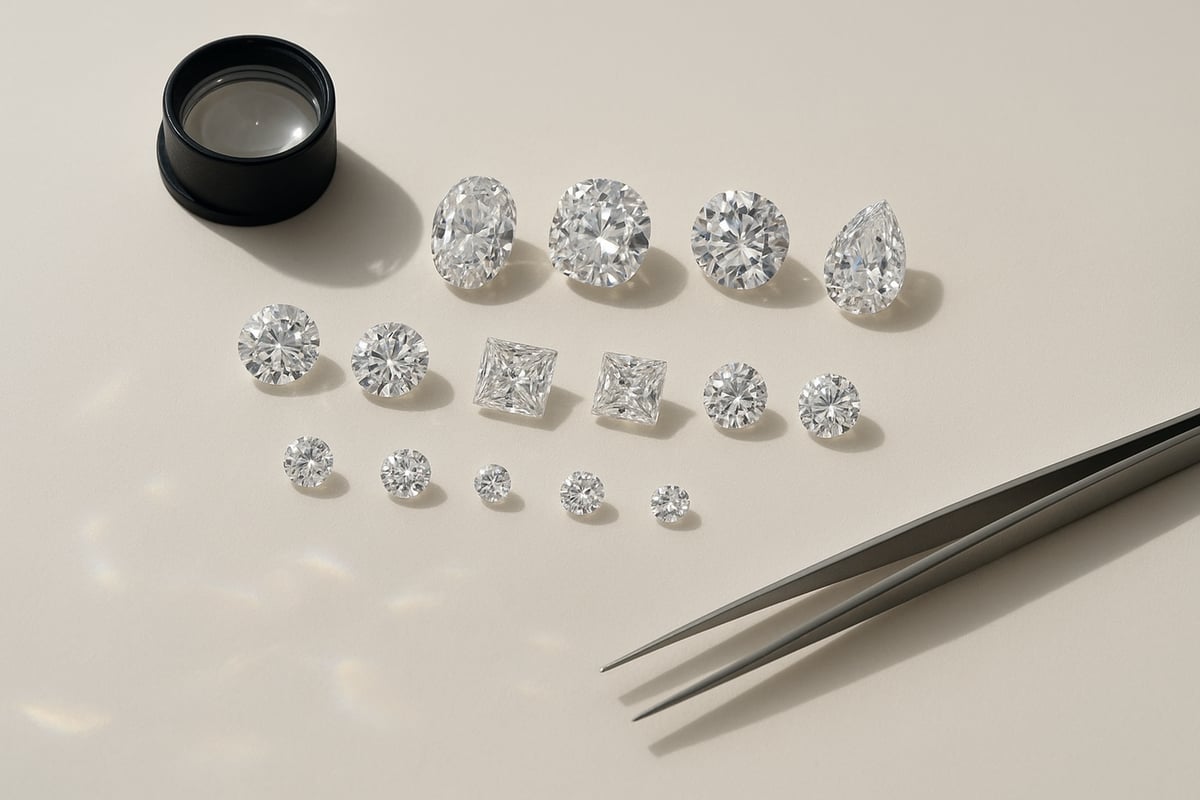
Lab created diamonds, also known as lab grown, synthetic, or man-made diamonds, are real diamonds formed using advanced technology. Unlike diamond simulants such as cubic zirconia or moissanite, lab created diamonds share the same chemical composition and crystalline structure as natural diamonds.
This means they are visually and physically indistinguishable from their mined counterparts. If you are wondering, are lab created diamonds good alternatives, the answer lies in their identical hardness, sparkle, and durability. For a more detailed explanation, you can explore Lab Grown Diamonds Explained.
Lab diamonds are not imitations, but genuine carbon crystals. Their key difference from natural diamonds is their origin: a controlled laboratory instead of deep within the earth.
How Are Lab Created Diamonds Made?
Two main methods produce lab created diamonds: High Pressure High Temperature (HPHT) and Chemical Vapor Deposition (CVD). Both start with a tiny diamond seed.
HPHT Process:
-
Exposes the seed to extreme heat and pressure, mimicking natural conditions.
-
Carbon atoms form around the seed, creating a rough diamond.
-
The process usually takes several weeks.
CVD Process:
-
Places the seed in a chamber filled with carbon-rich gas.
-
Uses moderate pressure and high temperatures to deposit carbon atoms layer by layer.
-
Produces high purity diamonds, often in about 2 to 4 weeks.
Advances in both techniques have enabled major producers to create larger, higher-quality stones. If you are still curious, are lab created diamonds good, the precision of these methods ensures consistent results.
Are Lab Created Diamonds Real Diamonds?
There is no doubt among scientists: lab created diamonds are real diamonds. They have the same physical, chemical, and optical properties as natural stones.
Leading gemological institutes, including GIA and IGI, certify lab diamonds using the same standards as natural diamonds. This means that when you ask, are lab created diamonds good, you can trust that their brilliance and hardness are authentic.
Some misconceptions persist, like lab diamonds being “fake” or less durable. However, certification and expert analysis confirm their authenticity, supporting their acceptance in fine jewelry.
Recent Innovations in Lab Diamond Technology
In 2026, lab diamond technology has advanced rapidly. Manufacturers now produce stones with improved clarity, larger carat sizes, and a wider range of unique colors.
Market data reveals that production levels are rising, making lab diamonds more accessible and diverse than ever before. This shift is changing how consumers answer the question, are lab created diamonds good for modern jewelry needs.
These innovations not only provide more choice but also support the growing popularity of lab created diamonds. As technology improves, lab created diamonds continue to set new standards in the gem industry.
Comparing Quality: Lab Created vs. Natural Diamonds
When asking, "are lab created diamonds good," quality stands at the heart of the discussion. To help you make an informed decision, let’s compare lab created and natural diamonds across appearance, durability, certification, value, and common myths. Each aspect reveals how lab stones measure up in a modern jewelry market.
Appearance and Grading Standards
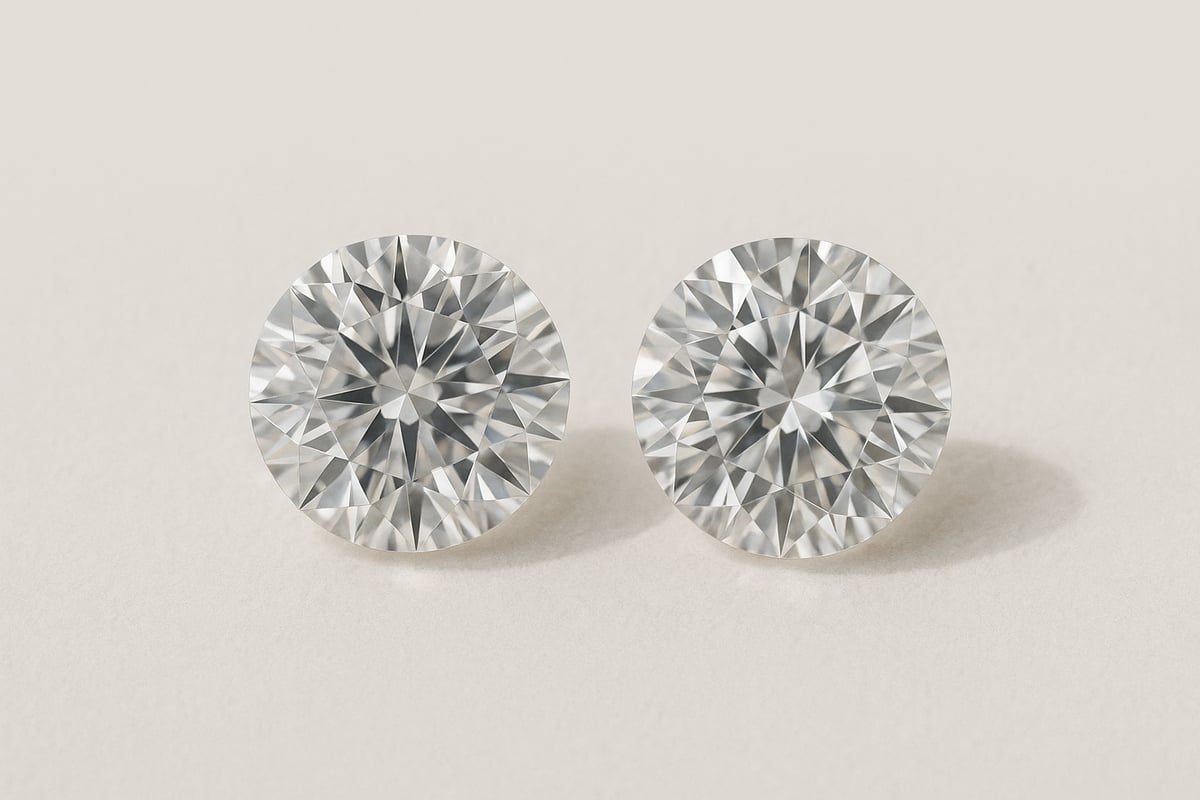
When comparing the appearance of lab and natural diamonds, both are graded using the same 4Cs: Cut, Color, Clarity, and Carat. These standards ensure an objective assessment of each stone’s beauty. Gemologists often use specialized tools to examine diamonds, but even experts can struggle to tell lab created from natural by sight alone.
Here’s a quick comparison table:
|
Feature |
Lab Created Diamonds |
Natural Diamonds |
|---|---|---|
|
Cut |
Excellent to Poor |
Excellent to Poor |
|
Color |
D to Z (same scale) |
D to Z (same scale) |
|
Clarity |
Flawless to Included |
Flawless to Included |
|
Carat |
0.01–20+ |
0.01–100+ |
If you wonder, "are lab created diamonds good" in terms of beauty, the answer is yes—when graded by The 4Cs Diamond Grading Guide, both types meet high standards for brilliance and fire.
Durability and Longevity
A key question is, are lab created diamonds good for everyday wear? Both lab and natural diamonds have a Mohs hardness of 10, making them equally resistant to scratches and chips. This durability means they are ideal for engagement rings and heirloom pieces.
Real-world studies show lab diamonds retain their sparkle and structure through years of daily use. Owners report no difference in longevity or resilience compared to natural stones, making lab created options a reliable choice for those seeking lasting value.
Certification and Authentication
You might ask, are lab created diamonds good when it comes to authenticity and certification? Leading gemological institutes—such as GIA, IGI, and HRD—grade both lab and natural diamonds using strict criteria. A reputable lab diamond comes with a certificate detailing its 4Cs, origin, and any treatments.
Look for transparent grading reports that specify "laboratory grown" or similar terminology. This transparency helps buyers feel confident in their purchase, knowing exactly what they are getting and ensuring their diamond meets industry standards.
Value Retention and Resale Considerations
Many consumers wonder, are lab created diamonds good investments? In 2026, the resale market for lab diamonds is growing, but natural diamonds still tend to hold value better over time. Lab stones typically depreciate more quickly, influenced by advancing technology and increased supply.
Factors such as brand, certification, and unique characteristics can enhance value retention. If resale is a priority, research market trends and consider how your chosen diamond fits into the broader landscape of jewelry investment.
Addressing Common Myths and Misconceptions
Let’s address a few myths: Are lab created diamonds good, or are they “fake”? Lab diamonds are real diamonds, not imitations. Do they look different over time? No, they remain clear and brilliant. Are they always flawless? Not necessarily—like natural stones, they can have inclusions.
-
Lab diamonds = real diamonds
-
No fading or clouding with age
-
Can have natural-looking imperfections
These facts offer clarity and confidence to anyone considering lab created diamonds.
Ethical and Environmental Impact: Are Lab Created Diamonds a Better Choice?
Lab created diamonds are often praised for their ethical and environmental advantages, but do they truly live up to their reputation? If you are wondering, "are lab created diamonds good" from a sustainability and human rights perspective, this section breaks down the facts, recent data, and ongoing debates. Let’s explore the real-world impact of these stones.
Environmental Footprint
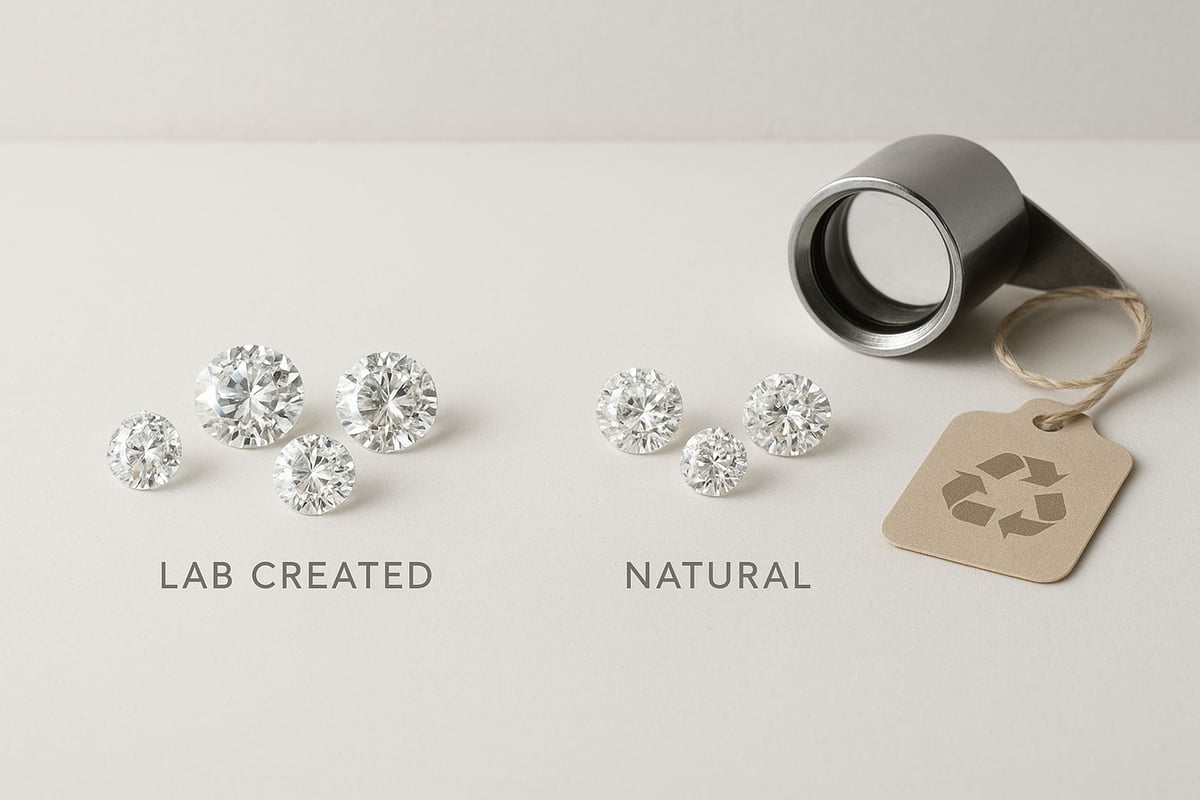
A central question in evaluating "are lab created diamonds good" is how their production affects the planet. Lab created diamonds require significant energy, but their impact differs from traditional mining.
Recent studies, such as the Sustainability Impact of Lab Grown Gemstones: The 2026 Green Report, show that lab grown diamonds can emit up to 60 percent less carbon than mined diamonds, depending on the energy source used. Water consumption is also dramatically lower, with labs using closed-loop systems and less than one-tenth the water needed for mining. Land disturbance and ecosystem disruption are minimal, as no large pits or soil removal are required.
|
Metric |
Lab Created Diamonds |
Mined Diamonds |
|---|---|---|
|
Carbon Emissions (2026) |
12-18 kg/ct |
35-55 kg/ct |
|
Water Use per Carat |
70-120 liters |
900-1200 liters |
|
Land Disturbance |
Minimal |
Extensive |
As technology advances, the environmental gap continues to widen. Still, the true impact depends on whether labs use renewable energy. As of 2026, more producers are transitioning to solar and wind, further improving their footprint. This evidence is key in answering, "are lab created diamonds good" for the environment.
Ethical Sourcing and Human Rights
Ethics are another major reason buyers ask, "are lab created diamonds good". Unlike some mined diamonds, lab created stones are inherently conflict-free. They avoid the risk of funding armed conflict or supporting exploitative labor practices.
Lab created diamonds offer full traceability. Each stone’s origin is documented, and leading producers often hold certifications for ethical compliance. Examples include the Responsible Jewellery Council (RJC) and SCS-007 Sustainability Rated Diamond. These measures help ensure transparency and build consumer trust.
However, it’s still important to verify claims and look for reputable certifications. This diligence ensures you are making a genuinely ethical choice.
Social Responsibility and Community Impact
When considering, "are lab created diamonds good" for society, it’s essential to look beyond the lab. Lab created diamonds reduce demand for mining, which can benefit ecosystems and reduce certain risks. However, diamond mining supports jobs and infrastructure in some communities.
Some organizations now invest in programs to support former mining regions, promoting alternative livelihoods and responsible sourcing. There is ongoing debate about how best to balance environmental gains with social needs. Both sectors are evolving, but lab created diamonds offer buyers a clear path to more responsible luxury.
Consumer Perceptions and Motivations
Many buyers ask, "are lab created diamonds good" because they want to align their purchases with their values. Surveys in 2026 show the top reasons for choosing lab created diamonds are eco-friendliness, ethical sourcing, and affordability.
Celebrity endorsements and influencer campaigns have also increased awareness. Today’s buyers are more informed and seek transparency, making lab created diamonds increasingly popular for engagement rings and fine jewelry.
Limitations and Challenges
Despite the positives, some challenges remain when asking, "are lab created diamonds good". Lab production is energy intensive, especially if powered by fossil fuels. Manufacturing is still concentrated in a few regions, limiting global benefits.
Ongoing improvements focus on increasing renewable energy use and expanding local production. As technology and standards improve, lab created diamonds are likely to become an even stronger ethical and environmental choice.
Value for Money: Pricing, Cost, and Investment
Understanding value is essential when asking, are lab created diamonds good for your budget and long-term satisfaction? Let us break down the real costs and what to expect if you choose a lab grown diamond over a mined one.
Price Comparison: Lab Created vs. Natural Diamonds
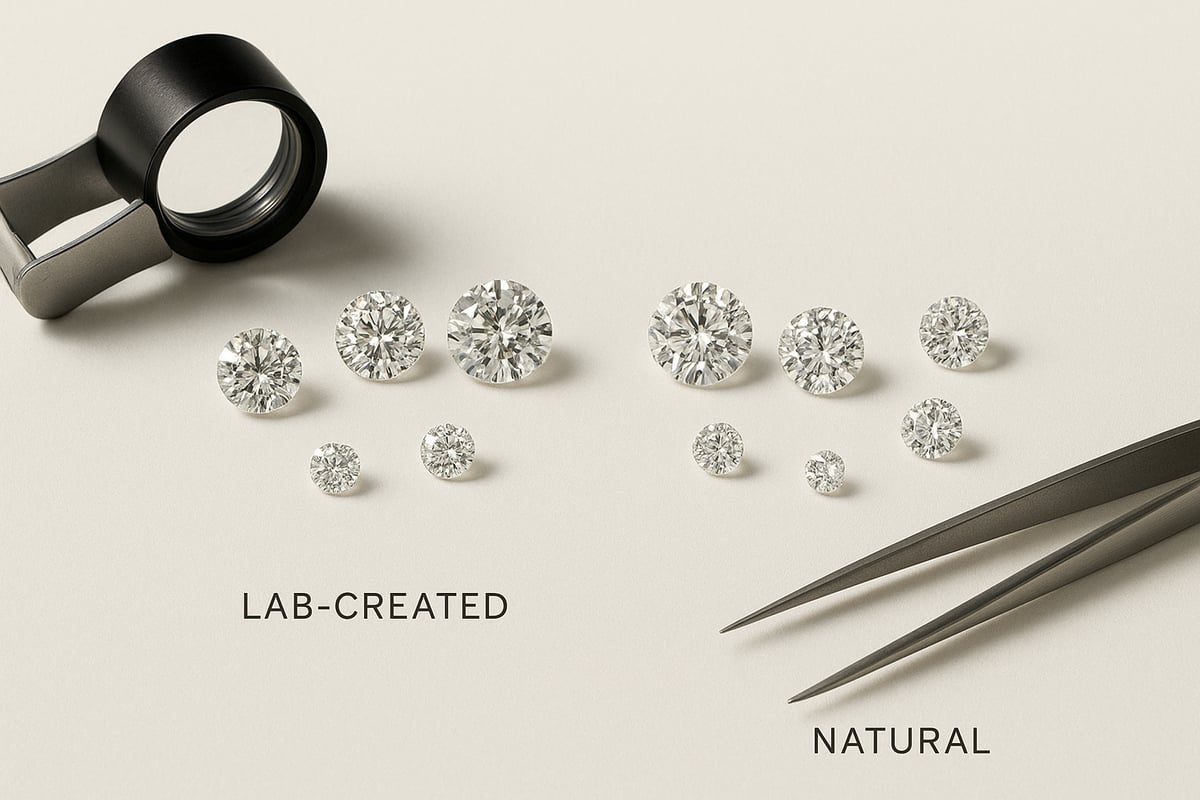
Are lab created diamonds good when it comes to price? In 2026, lab created diamonds typically cost 50 to 70 percent less than their natural counterparts of the same size and quality. This price advantage is due to lower production costs and a more efficient supply chain. For example, a 1 carat, excellent cut, VS1 clarity lab diamond may retail for €1,200, while a comparable mined diamond could exceed €4,000. At Carateu, pricing is often even more competitive due to our EU-focused sourcing and lean structure, but the examples above provide a helpful reference point when comparing lab-created and natural diamonds across the market.
Here is a quick comparison of retail prices:
|
Feature |
Lab Created Diamond |
Natural Diamond |
|---|---|---|
|
1 Carat, VS1, D |
€1,200–€1,700 |
€4,000–€6,000 |
|
2 Carat, VS1, D |
€3,200–€4,500 |
€12,000–€18,000 |
|
3 Carat, VS1, D |
€7,000–€10,000 |
€28,000–€36,000 |
Lab diamonds also offer more options for larger stones or higher grades at the same budget. When considering are lab created diamonds good for those wanting maximum sparkle per euro, the answer is often yes.
Investment Potential and Long-Term Value
It is important to ask, are lab created diamonds good as a financial investment? Currently, lab diamonds do not retain value like natural diamonds. Resale values can be significantly lower, and the pre-owned market is limited. Most buyers choose lab diamonds for savings upfront, not for future appreciation.
However, market reports such as the Lab-Grown Diamonds Market Size, Forecast To 2035 show growing demand and technological advances, which may impact long-term value. For now, if you are seeking an heirloom or investment, natural diamonds may hold an edge, but lab diamonds excel for affordability and ethical appeal. This is a key part of the answer to are lab created diamonds good for value retention.
What Influences Lab Diamond Prices?
Are lab created diamonds good value depends on several factors. Supply and demand play a significant role. As manufacturing technology advances, production costs drop, making lab diamonds more affordable. Brand reputation, certification, and retailer markups also affect final pricing.
Additionally, unique features such as rare colors or custom cuts can command higher prices. The rapid pace of innovation means prices may continue to adjust. Remember, when asking are lab created diamonds good for price stability, consider these shifting market forces.
Total Cost of Ownership
When you compare total ownership costs, are lab created diamonds good for ongoing savings? Maintenance, insurance, and warranties are similar for both lab and natural diamonds. However, the lower initial purchase price of lab diamonds means your insurance premiums and replacement costs are typically lower, making them a practical choice for many buyers.
How to Choose the Best Lab Created Diamond: Step-by-Step Guide
Choosing the right lab created diamond is a process that blends personal taste, technical knowledge, and practical steps. If you are asking yourself, are lab created diamonds good for your needs, this guide will walk you through each stage to ensure you make an informed and confident choice.
Step 1: Define Your Priorities and Budget
Start by considering what matters most to you. Are lab created diamonds good for expressing your style, or do you seek maximum value? Decide on your preferred carat size, diamond shape, and ring setting.
Set a clear budget. Lab diamonds typically offer larger stones for the same price as mined ones, so you can prioritize size or quality as you see fit. Make a list of your must-haves and nice-to-haves.
Use this table to clarify your priorities:
|
Priority |
Must-Have |
Nice-to-Have |
|---|---|---|
|
Carat Size |
|
|
|
Shape |
|
|
|
Clarity |
|
|
|
Color |
|
|
|
Setting Style |
|
|
Defining these factors helps you quickly answer, are lab created diamonds good for your expectations and lifestyle.
Step 2: Understand Certification and Grading Reports
Certification is vital to ensure you know exactly what you are buying. Always look for lab created diamonds that come with independent grading reports, such as those from the IGI or GIA. These certificates confirm that the stone is a real diamond and detail its 4Cs: cut, color, clarity, and carat.
Learn how to read these reports. Key terms include “lab grown” or “laboratory created,” which should be clearly stated. For a deeper dive into what differentiates IGI and GIA certification, see IGI vs GIA Diamond Certificates.
Understanding certification will help you answer, are lab created diamonds good in terms of transparency and authenticity.
Step 3: Compare Retailers and Sources
Researching where to buy is just as important. Are lab created diamonds good from all sellers? Not always. Compare both online and brick-and-mortar retailers.
Look for reputable sellers with transparent pricing, clear return policies, and positive customer reviews. Some retailers specialize in lab grown diamonds, offering a wider selection and better warranties. Check if the retailer discloses the origin and provides verifiable certificates.
Taking time to compare options ensures you will find the best value and quality for your investment.
Step 4: Inspect the Diamond in Person or Virtually
Whenever possible, inspect the diamond yourself. Are lab created diamonds good enough to meet your standards for brilliance and clarity? Use high-resolution images, 360-degree videos, and virtual try-on tools.
Pay close attention to cut quality, as it affects how the diamond sparkles. Ask the seller for magnified photos and videos. If visiting in person, use a jeweler’s loupe to look for inclusions or blemishes. Do not hesitate to ask questions about any aspect that concerns you.
This step helps you feel confident in your selection.
Step 5: Make Your Purchase Confidently
Once you have found the right stone, review the purchase process. Are lab created diamonds good investments for your peace of mind? Choose secure payment methods and confirm buyer protections.
Check that you will receive all documentation, including the grading certificate and warranty details. Ask about aftercare and customer support. Reliable sellers provide clear information on returns, resizing, and repairs.
A careful approach at this stage ensures a smooth, stress-free buying experience.
Step 6: Care and Maintenance Tips
Proper care keeps your diamond sparkling for years. Are lab created diamonds good when it comes to durability? Yes, but regular cleaning and occasional professional inspections are still important.
Clean your diamond gently with warm water, mild soap, and a soft brush. Store it separately to avoid scratches. Schedule annual checkups with a jeweler to inspect the setting and stone condition.
Following these steps will help your diamond remain as beautiful as the day you bought it.
Frequently Asked Questions About Lab Created Diamonds
Curious about lab grown gems? Here are answers to the most common questions people ask when wondering, are lab created diamonds good for everyday wear, investment, and special occasions. These insights will help you make confident choices.
Are Lab Created Diamonds Good for Engagement Rings?
Absolutely, lab created diamonds are good options for engagement rings. They offer the same dazzling brilliance, fire, and durability as mined diamonds. Since they rank at the top of the Mohs scale for hardness, they withstand daily wear with ease.
Many couples choose lab diamonds for their ethical sourcing and environmental benefits. If you value transparency, reviewing Ethical Diamond Sourcing Compliance can help you understand why lab created diamonds are good for responsible jewelry. In 2026, bespoke lab diamond rings are increasingly popular, thanks to better clarity and larger carat choices.
Do Lab Created Diamonds Pass Diamond Testers?
Yes, lab created diamonds are good at passing standard diamond testers. These devices check for thermal and electrical conductivity, which lab and natural diamonds share. Because both have identical physical and chemical properties, testers cannot distinguish between them.
If you want to confirm a stone is a diamond and not a simulant, such as cubic zirconia, a lab diamond will always pass. For extra peace of mind, ask for a certificate from a gemological institute, such as IGI or GIA, when making your purchase.
Can You Insure a Lab Created Diamond?
You may wonder, are lab created diamonds good investments to insure? The answer is yes. Most insurers treat lab created diamonds like natural stones, offering policies that cover loss, theft, or damage.
Typical premiums are based on the diamond's appraised value, regardless of origin. Ensure your policy lists the stone's details, including carat size, cut, color, clarity, and certification number. This documentation ensures smooth claims and protects your investment.
Are Lab Created Diamonds Graded the Same as Natural Diamonds?
Lab created diamonds are good candidates for independent grading. Leading institutes such as GIA and IGI use the same 4Cs criteria for both lab and mined stones. The grading scales for cut, color, clarity, and carat remain consistent.
The main difference is that lab diamonds are clearly labeled as laboratory grown on their reports. When comparing certificates, look for transparent grading and reputable labs to confirm the quality of your choice.
What Are the Latest Trends in Lab Created Diamonds?
The industry is evolving quickly, and are lab created diamonds good for staying ahead of trends? In 2026, unique colors like blue and pink, as well as custom shapes, are more accessible than ever. Market data shows that lab grown diamonds have moved from niche to mainstream, as outlined in the Lab-Grown Diamonds Market Trends and Industry Outlook for 2025 and Beyond.
Consumers now seek lab diamonds for their ethical appeal, affordability, and creative potential. Expect continued growth and innovation in the years ahead.
As we've explored, lab created diamonds offer the same brilliance, durability, and beauty as their natural counterparts, with added benefits in ethics and value for money. If you’re considering whether a lab grown diamond is the right fit for you, it helps to see what’s available firsthand. By looking through a curated selection from trusted suppliers, you can compare options, certification details, and pricing—all within the EU, with no hidden taxes or customs. Take the next step in your research and explore loose lab grown diamonds to find the perfect stone for your needs.


