

In 2026, the allure of a certified natural diamond remains unmatched, with demand rising among collectors and investors seeking lasting value. These rare gems continue to symbolize prestige, making authenticity more important than ever.
This guide is designed to be your essential resource, whether you are buying your first certified natural diamond or expanding an established collection. Here, you will discover how certification works, how diamonds are graded, what market trends to watch, and practical buying tips.
Ready to navigate the world of certified diamonds with confidence? Read on for expert insights and avoid common pitfalls.
What Are Certified Natural Diamonds?
Diamonds have fascinated people for centuries, but not all diamonds are created equal. To truly understand the value of a certified natural diamond, it helps to start with the basics: what makes a diamond “natural,” and what does it mean for a diamond to be “certified”?
What Is a Natural Diamond?
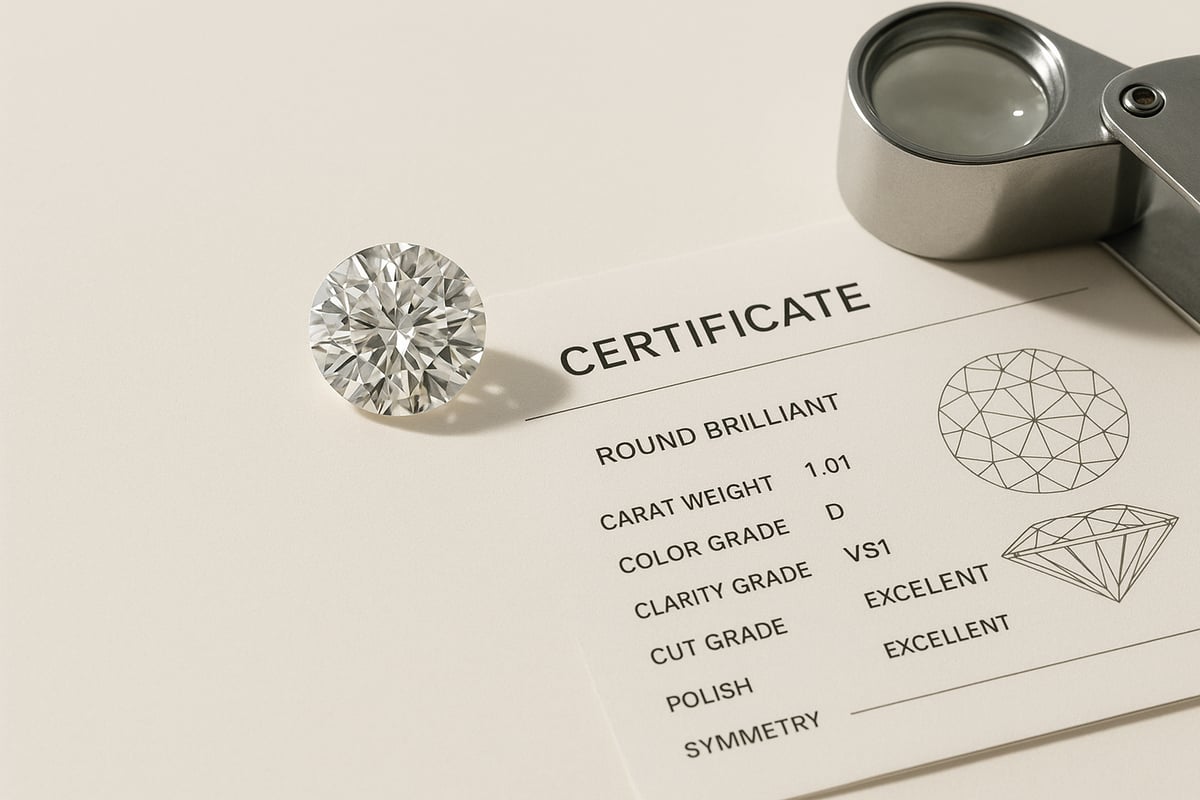
A natural diamond is formed deep within the earth over billions of years. Through intense pressure and heat, carbon atoms bond in a unique crystal structure. Natural diamonds are mined from the earth, unlike lab-grown diamonds, which are created in controlled laboratory conditions, or simulants like cubic zirconia and moissanite. Only a diamond that is both earth-mined and unaltered by artificial processes is considered a certified natural diamond.
What Does “Certified” Mean in the Diamond Industry?
When a diamond is “certified,” it means that an independent gemological laboratory has evaluated and graded it according to strict scientific standards. A certified natural diamond comes with a laboratory report, often called a certificate, which details its unique qualities, such as carat weight, cut, color, clarity, and more. This certificate serves as a scientific fingerprint, providing confidence in the diamond’s authenticity and value.
Key Gemological Laboratories
Globally recognized laboratories play a crucial role in the certification process. The most respected names include the Gemological Institute of America (GIA), International Gemological Institute (IGI), and HRD Antwerp. Each lab uses advanced technology, highly trained experts, and standardized grading systems to assess diamonds. For example, GIA is known for its rigorous standards, while IGI and HRD are widely accepted in Europe and Asia. These institutions ensure that each certified natural diamond is evaluated fairly and transparently.
Certified vs. Non-Certified Diamonds
The distinction between a certified natural diamond and a non-certified one is significant. Certified diamonds have undergone impartial assessment, which protects buyers from misrepresentation and supports resale value. Non-certified diamonds may lack reliable grading, making it difficult to compare or verify their qualities. Certification also offers consumer protection, as it documents the diamond’s details and helps resolve disputes. It is always wise to insist on a certified natural diamond when making a purchase.
| Feature | Certified Natural Diamond | Non-Certified Diamond |
|---|---|---|
| Independent Grading | Yes | No |
| Detailed Documentation | Yes | No or Incomplete |
| Verified Authenticity | Yes | Not Guaranteed |
| Resale Value | Higher | Lower/Uncertain |
| Consumer Protection | Strong | Weak |
Typical Certification Documents
A certified natural diamond is accompanied by a certificate that includes the diamond’s 4Cs, a plotted diagram of inclusions, proportions, measurements, and sometimes a laser inscription number. These reports may also note fluorescence, symmetry, and polish. Understanding how to read these documents is essential for buyers. For those interested in viewing examples or searching for certified options, the Find Your Natural Diamond page provides practical guidance.
Certification Trends and Misconceptions in 2026
In 2026, over 85% of natural diamonds sold in major markets come with independent certification. This trend reflects rising consumer demand for transparency and trust. Still, some misconceptions persist. Some buyers believe all certificates are equal, but only reputable labs provide consistent, unbiased results. Another myth is that certification guarantees “perfection,” when it actually verifies the unique characteristics of each certified natural diamond, including natural inclusions and slight color variations.
Ultimately, a certified natural diamond offers more than just beauty. It provides peace of mind, ensures fair value, and supports confident buying decisions for collectors, investors, and anyone seeking a truly rare gem.
The Diamond Certification Process in 2026
The certified natural diamond certification process in 2026 has evolved to meet the highest standards of accuracy, transparency, and consumer trust. Understanding how a certified natural diamond is authenticated and evaluated can make all the difference when investing in one. Let’s break down the entire journey, from mine to certificate, and demystify the grading and documentation you’ll encounter.
Overview of Certification Steps
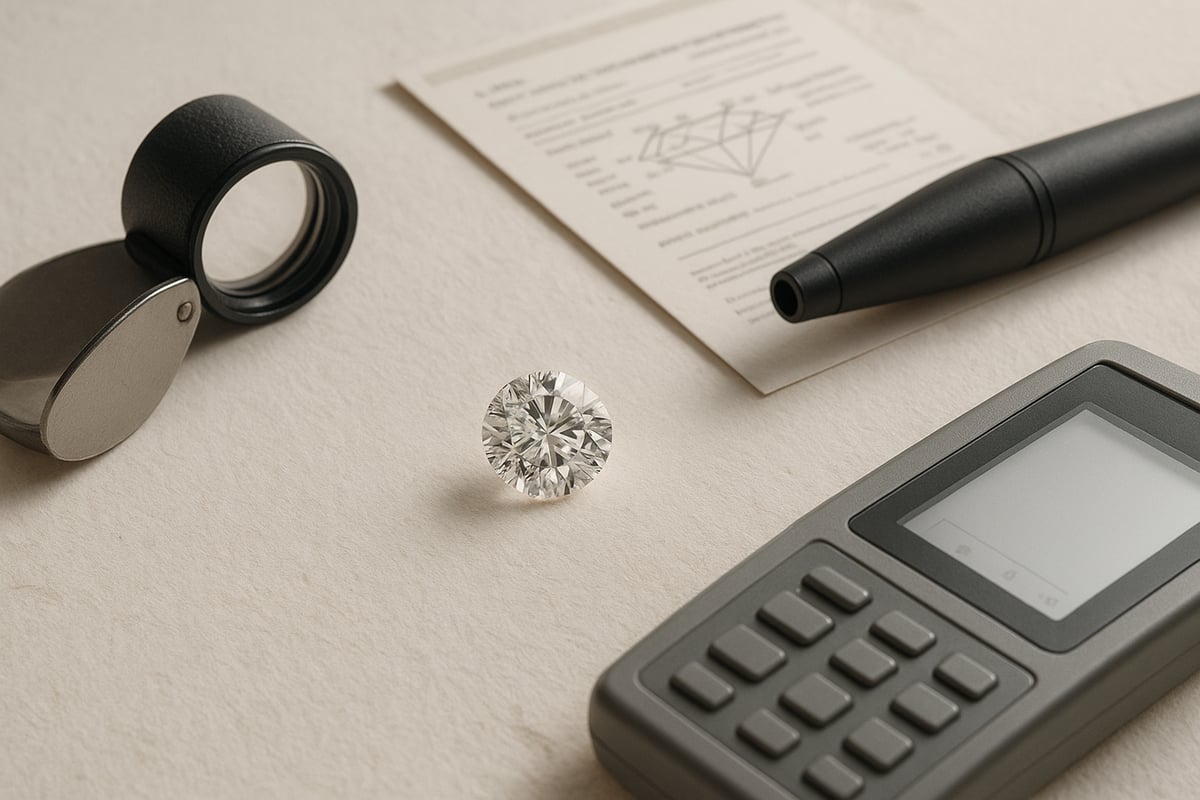
The path of a certified natural diamond begins deep within the Earth. After extraction, each rough stone is carefully tracked to ensure provenance. Next, expert cutters shape and polish the diamond, optimizing its brilliance and value. The finished gem is then submitted to an independent laboratory for evaluation.
At this stage, security is paramount. Every certified natural diamond receives a unique identification number. Chain of custody protocols are strictly enforced to prevent tampering or substitution. The laboratory uses cutting-edge tools for analysis, including spectroscopy, 3D modeling, and increasingly, artificial intelligence.
In 2026, digital transformation is at the heart of the process. Laboratories like GIA have adopted digital grading reports and AI-based inscription matching, making certification more secure and efficient. You can read more about these advancements in GIA Adopts Digital Grading Reports and AI Matching.
Certification typically takes several business days for a standard stone, though rare or large diamonds may require more time. Costs vary depending on size and complexity, but the peace of mind that comes with a certified natural diamond is invaluable.
Key Grading Criteria Explained
When a certified natural diamond reaches the grading lab, expert gemologists evaluate it against strict standards. The four key criteria, known as the 4Cs, are:
| Criterion | What It Measures | Impact on Value |
|---|---|---|
| Carat | Weight of the diamond | Higher carat usually means higher price |
| Cut | Proportions and finish | Determines brilliance and sparkle |
| Color | Absence of color | Less color increases rarity and value |
| Clarity | Internal/external flaws | Fewer flaws raise both beauty and price |
Beyond the 4Cs, labs assess other factors such as fluorescence, symmetry, and polish. Each detail is measured with advanced instruments to ensure accuracy. For example, a small difference in clarity grade, like VS1 versus VS2, can significantly affect a certified natural diamond’s market price.
In 2026, some labs have updated their grading methods. AI tools now provide more precise assessments of cut and symmetry, reducing subjectivity. Laboratories also include digital diagrams and security features in their reports, reflecting the latest industry standards.
A certified natural diamond’s certificate will clearly display all these criteria, helping buyers compare stones and make informed decisions.
Understanding Your Diamond Certificate
Reading a diamond certificate for your certified natural diamond can seem daunting at first. The document includes essential information such as carat weight, cut grade, color, and clarity. It also features unique identifiers, security holograms, and sometimes a digital QR code for instant verification.
Common terms include “laser inscription,” “girdle thickness,” and “polish grade.” Diagrams show the stone’s proportions and any inclusions or blemishes present. To confirm authenticity, always check that the certificate number matches the inscription on the diamond itself.
Be aware of altered or fraudulent certificates. Genuine certified natural diamond documents have tamper-evident seals and can be cross-checked with the issuing laboratory’s online database. If any details appear inconsistent, consult an independent gemologist for verification.
Understanding your certificate not only protects your investment but also gives you confidence in your purchase.
Trends and Market Insights for Certified Natural Diamonds in 2026
Understanding the latest trends is key for anyone considering a certified natural diamond in 2026. The market landscape is shifting rapidly, influenced by evolving consumer preferences, new technology, and global events. Let’s explore what’s shaping the world of certified natural diamond buying this year.
Market Demand and Pricing Trends
The certified natural diamond market in 2026 is experiencing renewed interest, even as lab-grown alternatives gain traction. While lab-grown stones are available at lower prices, collectors and investors still prefer the rarity and prestige associated with a certified natural diamond.
Global demand for certified natural diamond stones remains robust, especially in Europe, North America, and parts of Asia. According to recent industry reports, the percentage of natural diamonds sold with independent certification has increased, reflecting a growing emphasis on transparency and value retention.
Pricing trends show a modest but steady rise for high-quality certified natural diamond pieces. Factors such as geological scarcity, geopolitical events, and sustainability concerns are influencing these values. For instance, disruptions in mining regions or shifts in global trade policy can quickly impact certified natural diamond prices.
Economic uncertainty in some regions has also led more investors to view a certified natural diamond as a stable asset. As inflation and currency fluctuations persist, these gems are seen as both a luxury and a store of value. Buyers are increasingly seeking stones accompanied by reputable certification, which helps ensure long-term confidence and liquidity.
Ethical Sourcing and Sustainability
Ethical sourcing has become a central focus for certified natural diamond buyers in 2026. Consumers want assurance that their diamonds are conflict-free and responsibly mined. Leading brands and mines are now committed to transparent supply chains, often verified by third-party certification and blockchain technology.
New regulations and international initiatives aim to strengthen ethical standards. The Kimberley Process, a key framework for preventing conflict diamonds, is undergoing significant updates this year. Notably, India will chair the Kimberley Process in 2026, signaling a renewed commitment to tighter controls and greater accountability in the certified natural diamond trade.
Sustainability is also shaping purchasing decisions. Many certified natural diamond buyers now prioritize stones from mines with strong environmental and community policies. Brands that lead in ethical practices, such as those using renewable energy or investing in local communities, are gaining market share.
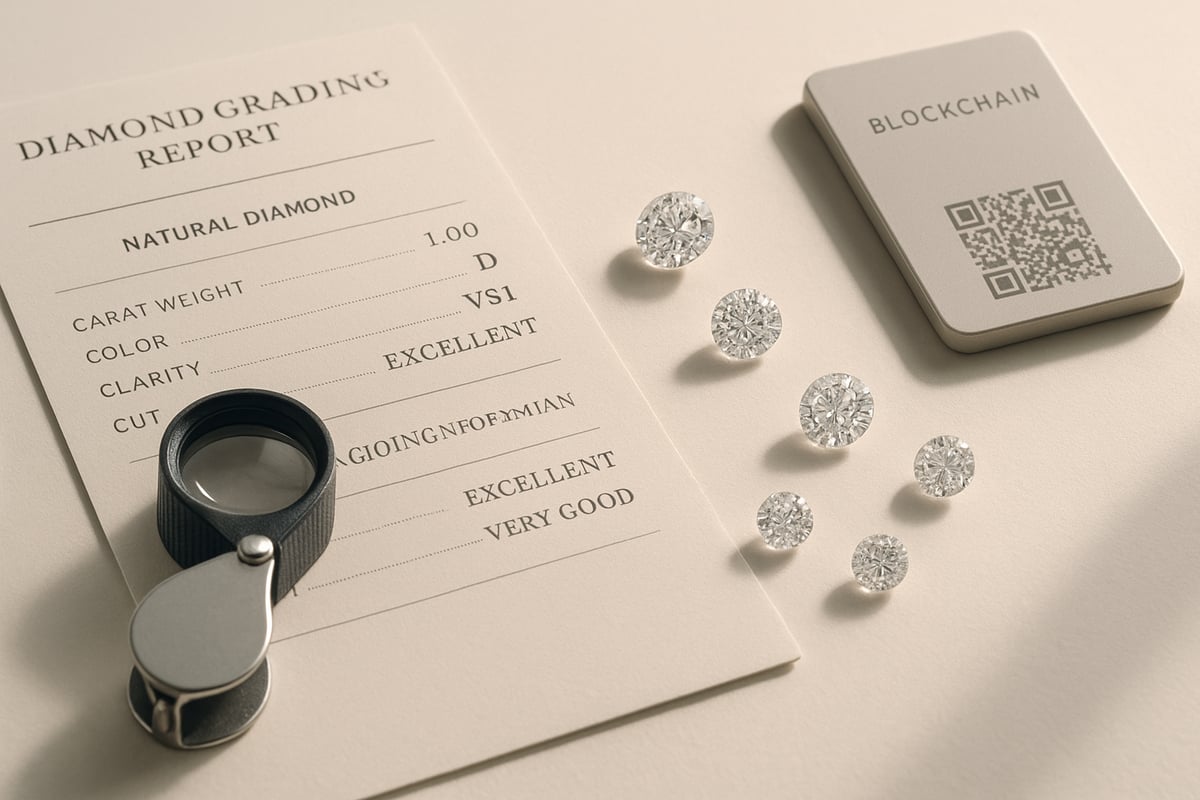
Transparency tools, including blockchain tracking and digital passports, are helping consumers trace the full journey of a certified natural diamond from mine to market. These advances provide peace of mind and support the long-term value of certified natural diamond investments.
Innovations in Diamond Certification
Technology is revolutionizing how certified natural diamond stones are authenticated and tracked in 2026. Advanced solutions like blockchain ledgers, nano-inscription, and artificial intelligence grading are now standard features in leading laboratories.
Blockchain authentication allows each certified natural diamond to have a verifiable digital record, ensuring secure provenance and reducing the risk of fraud. Nano-inscriptions—microscopic markings on the diamond’s girdle—link physical stones to their digital certificates. AI-powered grading delivers more consistent and reliable assessments, further enhancing consumer trust.
Certification documents have evolved, now including digital access, interactive 3D models, and enhanced security features. These innovations make it easier for buyers to verify the authenticity of a certified natural diamond and understand its key attributes at a glance.
The impact on the resale and insurance markets is significant. Insurers increasingly require advanced certification for coverage, and buyers are more willing to pay a premium for stones with cutting-edge documentation. As technology continues to advance, the certified natural diamond market is set to maintain its reputation for security, transparency, and enduring value.
How to Buy a Certified Natural Diamond: Step-by-Step Guide
Purchasing a certified natural diamond is a meaningful decision, whether for personal enjoyment or as a long-term investment. The process can feel complex, but by breaking it into clear steps, you can approach your purchase with confidence. Here’s a practical guide to help you navigate each stage and ensure you select a certified natural diamond that meets your needs.
Step 1: Determine Your Budget and Preferences
The first step in buying a certified natural diamond is to establish your budget. With the market evolving in 2026, prices can vary widely based on the diamond’s size, quality, and rarity. Research average prices for different carat weights and qualities to set a realistic spending range.
Next, identify your preferences. Do you favor a classic round cut, or are you drawn to a fancy shape? Consider what size and style best suit your needs, whether for an engagement ring or a collection piece. Online calculators and visualizers can help you compare options and clarify what matters most.
Remember, a certified natural diamond is a long-term purchase. Weigh your preferences carefully before moving forward.
Step 2: Research and Select a Reputable Seller
Choosing where to buy your certified natural diamond is just as important as the stone itself. Look for sellers known for transparency, strong customer reviews, and clear return policies. Reputable retailers provide detailed documentation and willingly answer your questions.
Compare online platforms with traditional brick-and-mortar stores. Online marketplaces often offer a wider selection and competitive pricing, while physical stores allow in-person inspections. Either way, verify the seller’s credentials and ensure they only offer diamonds with recognized certification.
Be wary of deals that seem too good to be true. Scams and misrepresentation still exist in the diamond market. Taking time to research your seller reduces risk and increases your confidence in your certified natural diamond purchase.
Step 3: Evaluate Certification and Documentation
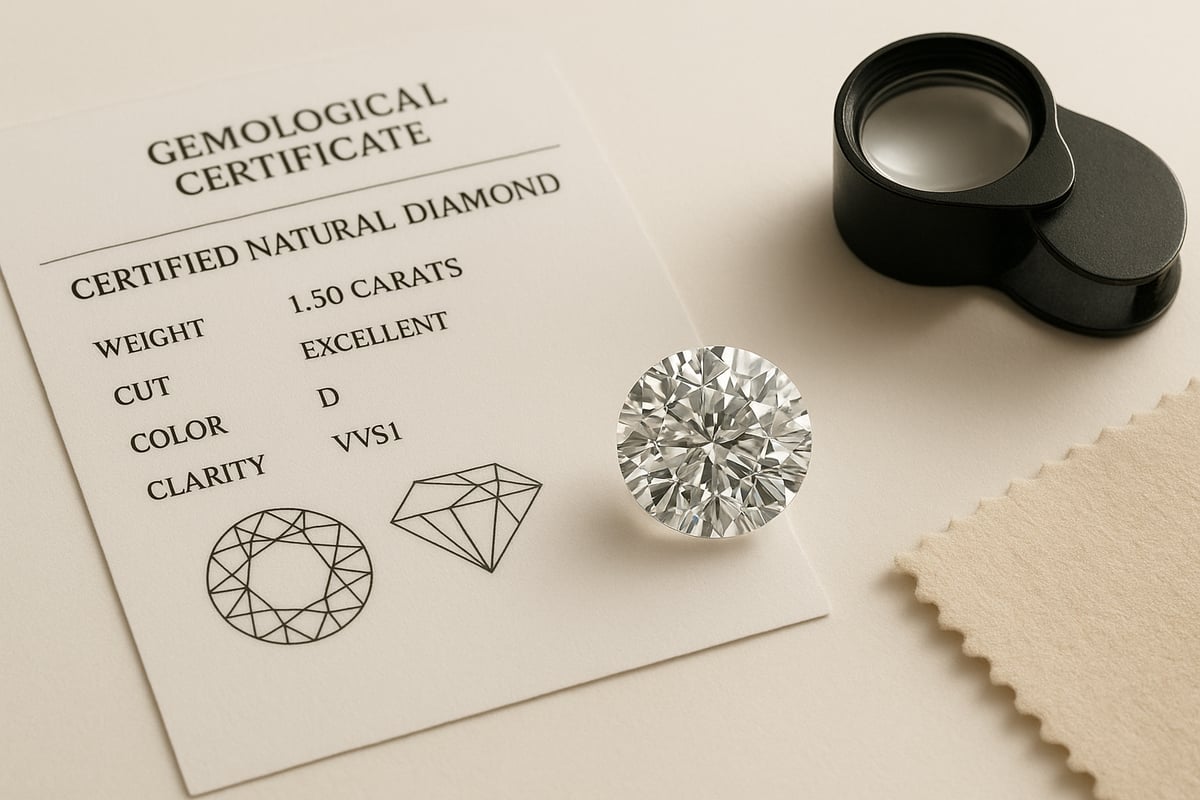
Before committing to any certified natural diamond, closely examine its certification. The certificate should match the diamond and be issued by a respected gemological laboratory, such as GIA, IGI, or HRD. Cross-check the certificate number with the issuing lab’s online database for authenticity.
Take time to review the certificate’s details. Look for information on the 4Cs, proportions, and any unique identifying features. If you’re unfamiliar with certificate layouts or terminology, consult resources like How to Read a Diamond Certificate for guidance.
Consider having an independent gemologist verify the documentation and the diamond itself. This extra step can help you spot red flags, such as altered or forged certificates, and ensure your certified natural diamond is exactly as described.
Step 4: Inspect the Diamond in Person or Virtually
Once you’ve confirmed the certification, take time to inspect the certified natural diamond. If possible, view the stone in person to assess its brilliance, fire, and clarity. Look for inclusions or blemishes that may affect appearance or value.
If an in-person visit isn’t feasible, request high-resolution images and videos from the seller. Many reputable retailers now offer virtual appointments, allowing you to examine the diamond from different angles under proper lighting.
Professional appraisals provide an added layer of assurance. An expert can confirm that the certified natural diamond matches its certificate and meets your expectations for quality and beauty.
Step 5: Finalize the Purchase and Secure Your Investment
When you’re satisfied with your choice, review all purchase terms for your certified natural diamond. Use secure payment methods that offer buyer protection, such as credit cards or reputable escrow services. Never send funds without proper documentation and a clear sales agreement.
Obtain all relevant paperwork: the original certificate, detailed receipts, and any warranties. These documents are vital for insurance and future resale.
Consider insuring your certified natural diamond immediately after purchase. Insurance protects your investment against loss, theft, or damage, offering peace of mind for years to come. Taking these precautions safeguards both the diamond and your financial commitment.
Step 6: Care and Maintenance for Certified Natural Diamonds
To keep your certified natural diamond in optimal condition, establish a routine for care and maintenance. Clean your diamond regularly using a soft brush, mild soap, and warm water. Avoid harsh chemicals or ultrasonic cleaners that may harm the setting.
Store your diamond separately from other jewelry to prevent scratches. Consider a padded box or a fabric pouch for extra protection.
Schedule periodic inspections with a professional jeweler. Regular check-ups can catch loose settings or minor damage early, preserving the value and beauty of your certified natural diamond for generations.
Choosing the Right Certification for Your Needs
Choosing the right certification is a critical step when purchasing a certified natural diamond. The lab that certifies your diamond influences not only its perceived value but also how easily you can resell or insure it. In 2026, with evolving standards and consumer expectations, understanding these differences is more important than ever.
Comparing Top Certification Labs
Three main international labs dominate the certified natural diamond market: GIA, IGI, and HRD. Each lab has built its reputation on accuracy, consistency, and global recognition. GIA is often considered the gold standard due to its rigorous grading and industry influence. IGI is popular in Europe and Asia, known for its accessibility and detailed reports. HRD, based in Antwerp, is respected in the EU and is adapting its focus to natural stones. For a detailed side-by-side analysis, see IGI vs GIA Diamond Certificates.
| Lab | Headquarters | Reputation | Acceptance |
|---|---|---|---|
| GIA | USA | Highest | Global |
| IGI | Belgium | Strong | Global/EU/Asia |
| HRD | Belgium | Trusted in EU | EU |
A certified natural diamond from any of these labs can be resold internationally, but buyers may prefer one over another based on region or purpose.
Grading Standards and Report Differences
Each lab uses its own grading system, but all assess the 4Cs: carat, cut, color, and clarity. GIA is renowned for its strict standards, while IGI and HRD offer comparable but sometimes slightly more lenient grading. Report formats also vary. GIA certificates are concise and highly secure, often with microprinting and holograms. IGI and HRD provide more detailed diagrams and sometimes extra commentary. Always check that your certified natural diamond's report is original, matches the stone, and is issued by the lab itself.
Choosing the Best Certification for Your Needs
Which certificate is ideal for you? For investment or resale, GIA is generally the most widely accepted, making it the best choice if you want global liquidity. IGI is suitable for buyers looking for a balance of cost and recognition, especially within the EU. HRD is a strong choice for those buying within Europe who value regional expertise. If your certified natural diamond is for personal use and not intended for resale, any of these reputable labs will provide peace of mind.
Certification and Diamond Value
The certification lab can directly impact your diamond’s value and liquidity. A certified natural diamond with a GIA report typically commands a premium, as buyers trust its grading accuracy. Diamonds with IGI or HRD certificates may be slightly less expensive, but still retain strong resale potential. Be cautious with diamonds certified by lesser-known or in-house labs, as these may not be trusted by future buyers, making resale or insurance more challenging.
Upgrading or Re-Certifying in 2026
If you already own a certified natural diamond and wish to upgrade its certificate, most major labs offer recertification services. In 2026, this process is streamlined with digital submissions and faster turnaround times. Recertifying with a more recognized lab can enhance your diamond’s value and marketability. Always ensure your diamond is submitted directly to the lab, and avoid intermediaries who might alter or misrepresent documentation.
Frequently Asked Questions About Certified Natural Diamonds
Navigating the world of certified natural diamond purchases can raise many questions. Here, I address the most common concerns buyers have in 2026, to ensure you make informed and confident decisions.
How do I know my diamond is truly a certified natural diamond?
A certified natural diamond is authenticated by an independent gemological laboratory. Always check that your diamond comes with an official grading report from a reputable lab, such as GIA, IGI, or HRD. Match the report number to the inscription on the diamond, either with a jeweler’s loupe or under magnification. If possible, verify the certificate’s details directly on the lab’s online database. This process ensures your certified natural diamond is genuine and matches the documentation.
Are certified natural diamonds worth more than uncertified stones?
Yes, a certified natural diamond generally holds greater value than an uncertified one. Certification provides proof of authenticity, quality, and grading, which increases trust for both buyers and sellers. This transparency often leads to higher resale value and easier insurance coverage. For a deeper understanding of how grading affects value, you can review The 4Cs Explained: How Diamonds Are Graded.
Can diamond certificates be faked, and how can I spot a fraudulent one?
Unfortunately, forged certificates do exist. When buying a certified natural diamond, always cross-check the certificate number on the issuing lab’s website. Look for signs of tampering, such as blurry logos, mismatched fonts, or missing security features like holograms or QR codes. Trusted sellers will offer to verify certificates with you. If in doubt, consult an independent gemologist before finalizing your purchase.
What is the difference between natural and lab-grown diamond certification?
Both natural and lab-grown diamonds can be certified, but the documentation will clearly state the origin. A certified natural diamond’s report confirms it was formed in the earth, while lab-grown stones are identified as synthetic. Notably, by 2026, HRD Antwerp to Cease Certification of Synthetic Diamonds by 2026, further distinguishing between the two. Always read the certificate carefully for terms like “natural,” “laboratory-grown,” or “synthetic.”
| Feature | Certified Natural Diamond | Lab-Grown Diamond |
|---|---|---|
| Certificate states | “Natural” | “Laboratory-grown” |
| Resale value | Higher | Lower |
| Market acceptance | Broad | Limited |
How does resale work for certified natural diamonds?
A certified natural diamond is easier to resell because the certificate provides assurance of quality and authenticity. When selling, present the original certificate and any supporting documents. Most reputable buyers, auction houses, and marketplaces require certification for appraisal and pricing, which streamlines the process and maximizes your return.
Can I buy and ship certified natural diamonds internationally in 2026?
Yes, you can purchase and ship a certified natural diamond across borders, but regulations vary. Always check import and export laws in your country and the seller’s location. Certified natural diamonds with proper documentation typically clear customs smoothly. Delays may occur if new traceability rules are introduced, as the EU’s delays in diamond traceability deadlines show, but reputable sellers will guide you through the process.
What should I do if my diamond certificate is lost or damaged?
If your certificate for a certified natural diamond is lost or damaged, contact the original issuing laboratory. Most labs can reissue a replacement for a fee, after verifying the diamond’s identity. Keep digital copies and store physical documents securely to avoid future issues. In the meantime, retain all receipts, photos, and appraisals as supporting evidence.
How do I resolve disputes or grading issues with my certified natural diamond?
If you have concerns about your certified natural diamond’s grading, consult an independent, qualified gemologist for a second opinion. You may request a re-evaluation from the original lab, especially if you believe there has been an error. Clear documentation, including the original certificate, photos, and correspondence, will help resolve most disputes efficiently.
As we’ve explored, understanding certified natural diamonds in 2026 means knowing exactly what you’re investing in—from the rigorous certification process to the nuances of grading and market trends. If you’re ready to put this knowledge into practice and see the difference for yourself, you can review natural diamonds directly from Carateu’s carefully curated selection. Here, every diamond is independently certified and shipped within the EU, so you avoid extra VAT or customs fees. Take the next step with confidence, knowing you have transparent, expert-backed choices at your fingertips.


