

Interest in chemical diamonds continues to grow as new technology makes these stones almost impossible to tell apart from their natural counterparts. In 2026, the science behind chemical diamonds is advancing at a rapid pace, bringing them to the forefront of the jewelry world.
Many buyers are drawn to the affordability, ethical sourcing, and smaller environmental footprint of these lab-grown gems. These advantages are reshaping what people look for in a diamond.
This essential handbook will demystify chemical diamonds, explain how they are created, compare them to mined stones, and offer clear guidance for buyers. Here’s what you need to know for 2026.
What Are Chemical Diamonds?
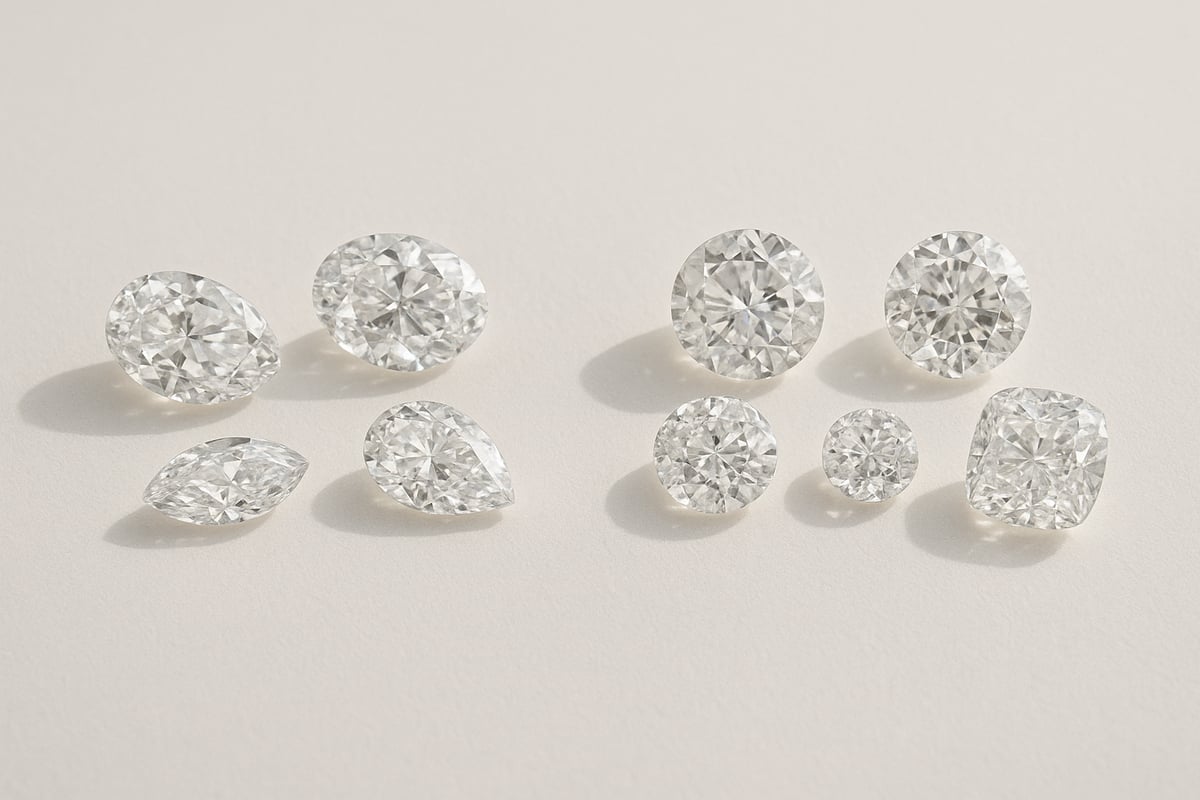
Chemical diamonds are real diamonds created in a laboratory using advanced technology rather than mined from the earth. Often called lab-grown, synthetic, or man-made diamonds, these stones are chemically and physically identical to natural diamonds. Unlike diamond simulants such as cubic zirconia or moissanite, chemical diamonds are composed of pure carbon arranged in a crystal lattice. For a comprehensive overview, see Lab-Grown Diamonds Explained.
Definition and Terminology
The term chemical diamonds refers to diamonds produced in a lab setting using controlled chemical processes. These are also known as lab-grown, synthetic, or man-made diamonds. Unlike simulants, chemical diamonds share the exact atomic structure, hardness, and brilliance as natural stones.
Chemical diamonds are not imitations. Their physical and chemical properties are identical to those formed deep beneath the earth's surface. This makes them virtually indistinguishable from natural diamonds, even under magnification.
History and Evolution
The journey of chemical diamonds began in the 1950s when scientists first synthesized tiny diamond crystals for industrial use. Over the decades, breakthroughs like the High Pressure High Temperature (HPHT) and Chemical Vapor Deposition (CVD) methods made it possible to grow gem-quality stones.
In the early 2000s, the first commercially available chemical diamonds reached the jewelry market. Since then, improvements in technology have led to larger, clearer, and more affordable lab-grown stones.
Types of Chemical Diamonds
There are two main types of chemical diamonds based on their growth process: HPHT and CVD.
| Type | Growth Method | Typical Features |
|---|---|---|
| HPHT | High pressure, high temperature | Metallic inclusions, yellow tints possible |
| CVD | Chemical vapor deposition | Fewer inclusions, better control over color |
HPHT mimics the natural conditions in the earth, while CVD grows diamonds layer by layer in a plasma chamber. Each method results in slightly different inclusions and appearances, but both produce genuine chemical diamonds.
Global Market Overview
As of 2026, the chemical diamonds market has grown rapidly, with major producers in the US, China, and India. Lab-grown stones now account for a significant share of global diamond sales.
Industry estimates suggest chemical diamonds make up around 15-20% of the engagement ring market. The growing popularity is driven by affordability, ethical sourcing, and environmental benefits compared to mined stones.
Common Myths and Facts
Many myths surround chemical diamonds. Here are some common misconceptions and the truth behind them:
- Chemical diamonds are "fake": False. They are real diamonds with the same chemical structure.
- Less durable than natural diamonds: False. Both types score 10 on the Mohs hardness scale.
- Poor resale value: Partially true. Like most jewelry, resale prices are lower than retail, but quality and certification support their value.
- Not environmentally friendly: False. Lab-grown diamonds generally have a lower environmental footprint.
Scientific evidence confirms that chemical diamonds are as durable and brilliant as mined stones.
Examples and Data
One of the largest HPHT chemical diamonds produced to date weighs over 10 carats, showcasing the advances in lab technology. In 2025, industry data revealed that approximately 20% of engagement rings featured a lab-grown diamond.
With such growth and innovation, chemical diamonds are now a trusted choice for consumers seeking beauty, value, and peace of mind.
How Chemical Diamonds Are Made: The Science Explained
The world of chemical diamonds is built on precision, science, and innovation. These stones are created in advanced laboratories, using processes that mimic the way natural diamonds form deep within the earth. Understanding how chemical diamonds are made gives buyers confidence and insight into what sets these gems apart.
The HPHT Process
The HPHT process, or High Pressure High Temperature, is one of the main methods for creating chemical diamonds. It starts with a small diamond seed placed in a chamber filled with carbon. The chamber is exposed to extreme pressure—around 1.5 million PSI—and temperatures near 1,500°C. Under these conditions, the carbon melts and crystallizes onto the seed, growing layer by layer.
HPHT-grown chemical diamonds often display metallic inclusions, which are tiny traces of the metals used in the process. These inclusions can sometimes influence color and clarity. The HPHT process can produce both colorless and fancy-colored diamonds, depending on how the growth is controlled.
For a deeper dive into these techniques, Lab-Grown Diamond Production Methods offers a comprehensive overview of HPHT and CVD.
The CVD Process
The Chemical Vapor Deposition (CVD) method for chemical diamonds uses a different approach. A thin diamond seed is placed inside a vacuum chamber. Methane and hydrogen gases are introduced, and energy—often from microwaves—creates a plasma. This plasma breaks down the gases, allowing carbon atoms to settle and build up in layers on the seed.
CVD-grown chemical diamonds are valued for their high purity. Because this process uses fewer metallic catalysts, the resulting stones tend to have fewer metallic inclusions and can achieve remarkable clarity. Color can also be controlled more precisely, making CVD a preferred method for producing large, high-clarity gems.
Quality Control and Grading
Every chemical diamond is carefully evaluated for quality. Reputable labs, such as GIA and IGI, provide independent grading. The 4Cs—carat, cut, color, and clarity—are the main criteria used to assess value and beauty.
Quality control involves advanced instruments that detect even the smallest inclusions or color differences. Recent advances mean labs can now distinguish between HPHT, CVD, and natural diamonds with high accuracy. Buyers should always look for certified chemical diamonds with grading reports from trusted labs.
Environmental and Ethical Considerations
Chemical diamonds are widely recognized for their lower environmental impact compared to mined stones. Their creation uses significantly less land and water. The risk of funding conflict zones, often called “blood diamonds,” is eliminated with laboratory production.
Energy use is an important factor. Many producers are moving toward renewable energy sources, further reducing the carbon footprint of chemical diamonds. This focus on ethics and sustainability is a key reason many consumers choose lab-grown gems.
Real-World Examples
Several leading brands now specialize in chemical diamonds, offering both HPHT and CVD stones. For example, some companies can grow a 1-carat diamond in as little as two to six weeks—a fraction of the time it takes for a diamond to form naturally.
These rapid innovations allow for greater accessibility and customization. The largest HPHT-grown diamond to date weighs over 15 carats, showing how technology is pushing the boundaries of what is possible with chemical diamonds.
Innovations in 2026
The year 2026 brings new breakthroughs for chemical diamonds. Labs are using advanced techniques to speed up growth and control color with greater precision. Artificial intelligence is increasingly used to monitor quality and automate grading, ensuring each diamond meets strict standards.
These innovations mean chemical diamonds are more consistent, affordable, and available than ever before. As technology evolves, the gap between lab-grown and natural diamonds continues to narrow, giving buyers more confidence in their choices.
Chemical vs. Natural Diamonds: Key Differences and Similarities
The debate between chemical diamonds and natural diamonds continues to shape the jewelry industry, especially as technology narrows the gap between them. Understanding their differences and similarities helps buyers make confident, informed choices for 2026.
Chemical/Physical Properties
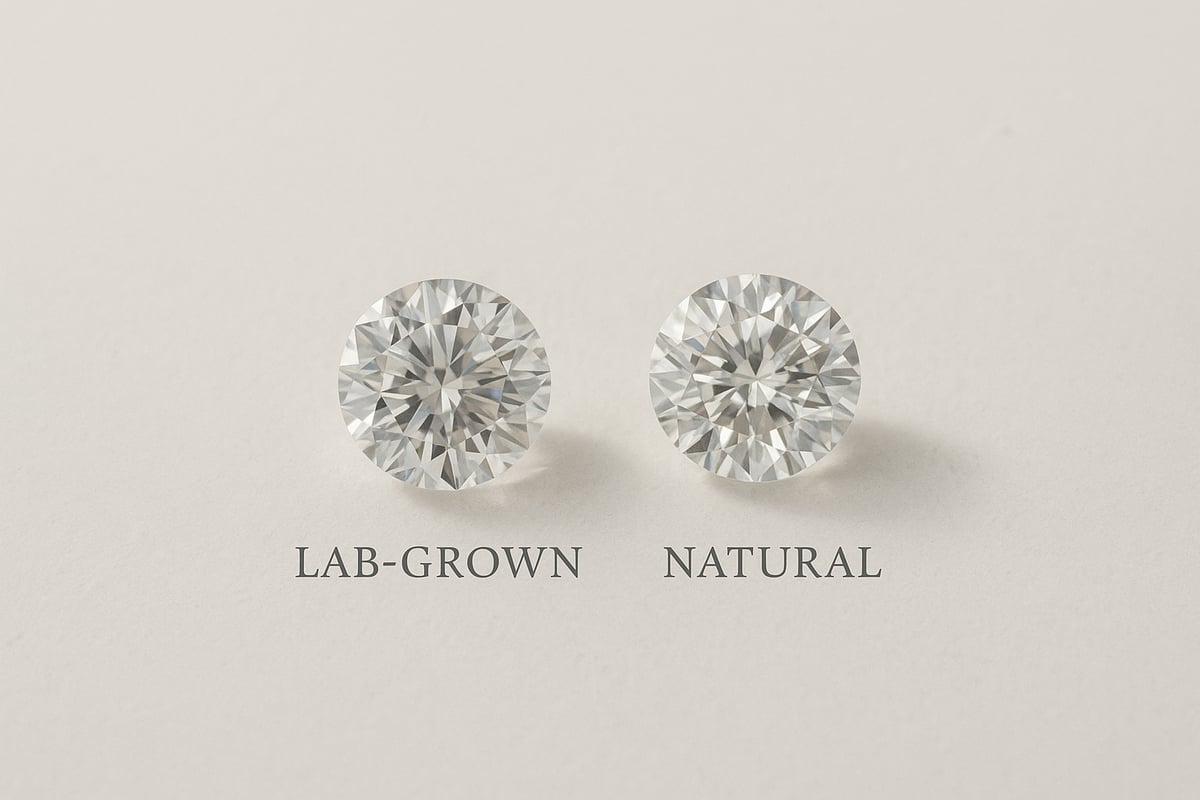
At their core, chemical diamonds and natural diamonds are nearly identical. Both are made of pure carbon atoms arranged in a crystal lattice. This atomic structure is what gives diamonds their renowned hardness and optical brilliance.
Chemical diamonds exhibit the same Mohs hardness (10), refractive index, and thermal conductivity as natural stones. These shared physical traits mean that, in daily wear, chemical diamonds perform just as well as their mined counterparts.
Visual and Gemological Differences
While chemical diamonds are chemically identical to natural ones, subtle visual differences can exist. For example, HPHT-grown stones may show metallic inclusions, while CVD diamonds sometimes display fine growth lines called "striae."
Natural diamonds often contain mineral inclusions or irregularities unique to the earth’s formation. Gemologists use advanced tools, such as spectroscopy and magnification, to distinguish between chemical diamonds and natural ones, but most differences are invisible to the naked eye.
Price and Value Comparison
One of the most significant differences is price. Chemical diamonds typically cost 30–40% less per carat than natural diamonds of similar quality. This price gap is due to shorter supply chains and more efficient production methods.
| Feature | Chemical Diamonds | Natural Diamonds |
|---|---|---|
| Average Price | Lower | Higher |
| Resale Value | Emerging market | Established market |
| Insurance | Available | Available |
Buyers should note that while chemical diamonds are affordable, resale markets are still developing. Insurance is available for both types, but policies may differ.
Ethical and Environmental Impact
Ethics and sustainability are key drivers for the rise of chemical diamonds. They avoid issues linked to conflict financing and reduce environmental impact compared to traditional mining.
Chemical diamonds require less land and water and generate a lower carbon footprint. This makes them an ethical alternative for those concerned about the legacy of their jewelry choices.
Consumer Perceptions and Trends
Consumer attitudes toward chemical diamonds have shifted rapidly. Surveys show growing trust and acceptance, especially among younger buyers who value transparency and sustainability. The number of engagement rings featuring chemical diamonds increased significantly in 2025.
Major jewelry brands are now embracing chemical diamonds, with some shifting their collections entirely to lab-grown options. For a deeper dive into how these trends are shaping the market and what the future holds, see the Lab-Grown Diamonds Market Trends and Industry Outlook.
How to Evaluate and Buy Chemical Diamonds in 2026
Navigating the world of chemical diamonds in 2026 is much simpler with the right knowledge. The buying process has evolved, offering more transparency, ethical choices, and tailored experiences for consumers. Below, you'll find a step-by-step guide to help you evaluate and purchase chemical diamonds with confidence, whether shopping online or in-store.
Step 1: Understanding Certification and Grading
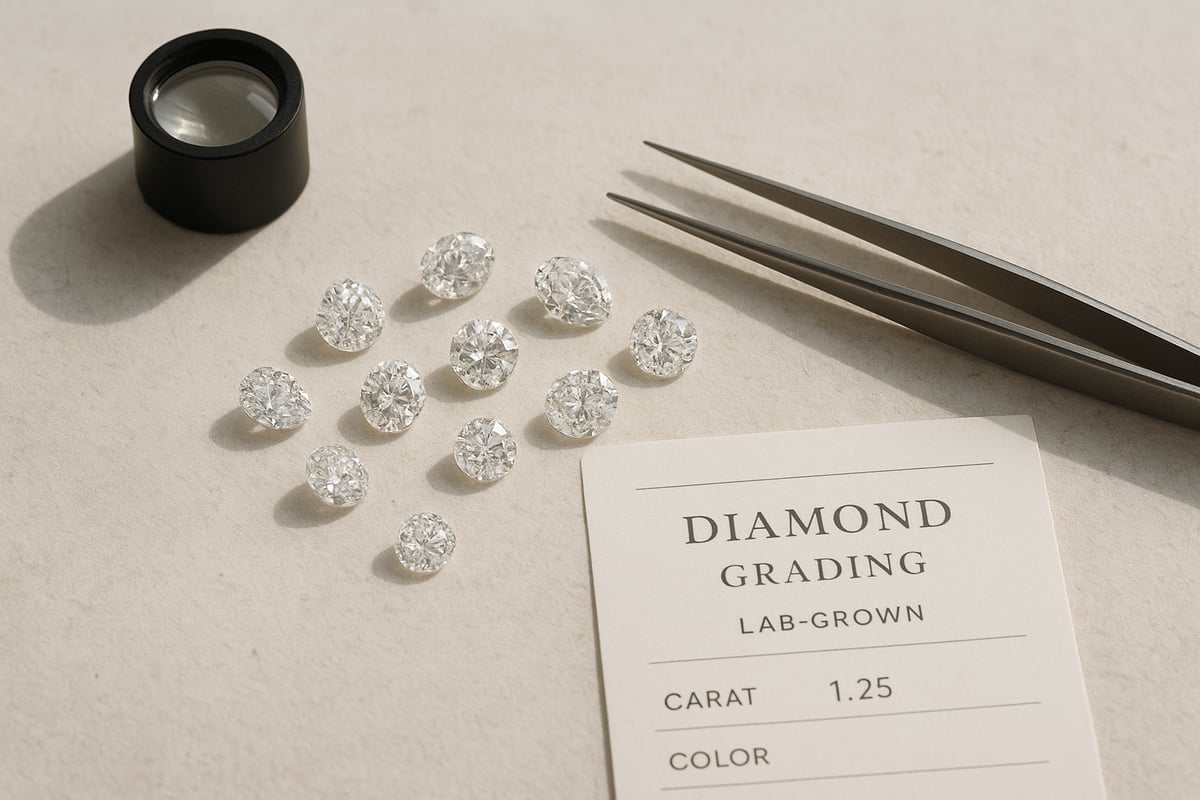
Before buying chemical diamonds, always check for independent certification. Reliable grading from respected labs like GIA or IGI ensures your diamond’s authenticity and quality. Certification reports detail the diamond’s characteristics and confirm it is indeed a lab-grown stone.
Carefully review the certificate, verifying the growth method, 4Cs, and laser inscription. Beware of stones lacking certification, as these may be misrepresented or of lower quality. For a detailed comparison of grading labs, see IGI vs GIA Diamond Certificates EU.
Step 2: Choosing the Right Type (HPHT vs. CVD)
Chemical diamonds are made using either the HPHT or CVD process. Each method produces stones with unique features. HPHT diamonds may show metallic inclusions and subtle color tints, while CVD diamonds often have higher clarity and fewer inclusions.
Here’s a quick comparison:
| Feature | HPHT | CVD |
|---|---|---|
| Inclusions | Metallic likely | Minimal metallic |
| Color | May show yellow tint | Typically whiter |
| Size Potential | Slightly limited | Larger, high-clarity stones |
Check the grading report to identify the growth process. Decide which type fits your style and budget before making a purchase.
Step 3: Assessing the 4Cs
Understanding the 4Cs—carat, cut, color, and clarity—is crucial when evaluating chemical diamonds. Carat affects size and price, while cut determines how much your diamond sparkles. Color grading ranges from colorless to faint hues, and clarity refers to internal inclusions.
Lab-grown stones may have different inclusion patterns than mined diamonds. To deepen your knowledge, explore The 4Cs Explained: Diamond Grading.
Step 4: Comparing Prices and Value
Chemical diamonds are typically 30% to 40% less expensive than mined stones of similar quality. Benchmark prices using reputable online tools and compare offers from different retailers. Prices can fluctuate based on carat, cut, and clarity, as well as seasonal demand.
Look for VAT-inclusive pricing if you are an EU buyer to avoid surprises. Remember, resale values for chemical diamonds are still evolving, so prioritize personal value and satisfaction.
Step 5: Selecting a Retailer or Marketplace
Choose retailers that provide transparency, clear certification, and fair return policies. Review customer feedback and ensure the business is established and reputable.
For EU buyers, check for VAT-inclusive prices and no import duties. Reliable online marketplaces and in-store experiences both have advantages. Look for clear terms, responsive support, and established consumer protections.
Step 6: Customization and Jewelry Settings
One of the advantages of chemical diamonds is the flexibility to create custom jewelry. Many retailers offer options to design bespoke rings, earrings, or pendants. Discuss your preferences for metal type, style, and setting with your jeweler.
Lab-grown diamonds work beautifully in modern and classic designs alike. Make sure the setting is secure and complements the diamond’s features.
Step 7: Aftercare and Maintenance
Chemical diamonds are as durable as mined diamonds and require similar care. Clean your jewelry regularly with mild soap and water, and store each piece separately to prevent scratches.
Consider insuring valuable items to protect against loss or damage. Many retailers offer warranties or service plans, so review these before purchasing.
Example Purchase Journey
Imagine buying a 1-carat CVD chemical diamond engagement ring online. You start by researching certified retailers and comparing available inventory. After reviewing grading certificates, you select a diamond with excellent cut and clarity.
You customize a ring setting, confirm VAT-inclusive pricing, and check return policies. The ring arrives with full documentation, and you verify the laser inscription matches the certificate. With proper care, your ring will remain brilliant for years to come.
The Future of Chemical Diamonds: Trends and Innovations
The landscape for chemical diamonds is evolving rapidly as we move through 2026. Consumers, investors, and retailers are witnessing significant changes in how these stones are produced, marketed, and valued. Let's explore the major trends shaping the future of chemical diamonds, from market growth and technology to sustainability, regulation, and investment.
Market Growth and Consumer Adoption
The global market for chemical diamonds is projected to reach new heights by 2026. Industry analysts estimate that lab-grown stones could account for up to 25% of all diamond jewelry sales worldwide. This growth is fueled by a surge in consumer demand, especially among younger buyers who value transparency and sustainability.
Major jewelry houses are expanding their offerings, and mainstream retailers are dedicating more space to chemical diamonds. According to recent data, the market value is expected to exceed $15 billion, reflecting both increased production and wider acceptance. For more in-depth figures and forecasts, see the Lab-Grown Diamond Market Size and Forecast.
Technological Breakthroughs in Production
Advances in technology are transforming how chemical diamonds are grown and graded. Improved Chemical Vapor Deposition (CVD) techniques now allow for larger, purer stones with fewer inclusions. High Pressure High Temperature (HPHT) methods have also become more efficient, reducing production time and cost.
Artificial intelligence and automation are increasingly used in quality control, ensuring consistent standards and faster detection of flaws. These innovations support the creation of stones nearly indistinguishable from natural diamonds, further blurring the lines between lab-grown and mined gems.
Sustainability and Ethical Sourcing
Sustainability remains a central driver behind the popularity of chemical diamonds. Modern labs are investing in renewable energy sources, such as solar and wind power, to reduce their environmental footprint. Lifecycle assessments show that lab-grown stones typically require less water and land than traditional mining.
However, the true impact depends on the energy mix and local regulations. For a detailed look at sustainability claims and energy use, refer to Lab-Grown Diamonds' Environmental Impact. Consumers are increasingly seeking transparent supply chains and ethical sourcing, making these factors vital in the decision-making process for chemical diamonds.
Shifts in Retail and E-Commerce
The retail landscape is changing, with online marketplaces and direct-to-consumer brands leading the way. Virtual try-on tools and augmented reality (AR) features allow buyers to visualize jewelry before purchasing, making the process more interactive and accessible.
Physical stores are adapting by offering personalized consultations and showcasing chemical diamonds alongside natural stones. This omnichannel approach ensures that buyers can make informed decisions in a comfortable setting, whether online or in person.
Regulatory and Certification Developments
As chemical diamonds gain market share, regulators are implementing stricter standards for disclosure and labeling. Both the European Union and United States require clear identification of lab-grown stones, aiming to prevent consumer confusion.
Gemological labs continue to refine grading criteria, focusing on the 4Cs—carat, cut, color, and clarity. Certification from trusted organizations remains essential, providing buyers with confidence in their purchase.
Investment and Resale Market
The investment landscape for chemical diamonds is evolving. New online platforms facilitate buying and selling of lab-grown stones, offering liquidity and transparency. While resale values can be lower than for natural diamonds, the gap is narrowing as consumer trust grows.
Collectors are beginning to recognize the unique appeal of certain chemical diamonds, especially those with exceptional size or color. This emerging market segment is expected to mature as awareness and demand increase.
Notable Industry Examples and Forecasts
Leading jewelry brands are making bold moves, with some shifting entirely to lab-grown collections. High-profile auctions have featured record-setting chemical diamonds, such as the largest lab-grown stone sold in 2025, weighing over 15 carats.
Celebrity endorsements and media coverage have played a role in boosting public interest. By 2026, experts predict that up to 35% of new engagement rings in Europe will feature chemical diamonds, signaling a lasting transformation in consumer preferences.
Now that you have a clear understanding of what makes chemical diamonds unique—from their ethical origins to the advanced technology shaping their future—you may be considering your next steps as a buyer or enthusiast. If you’d like to see for yourself how lab grown diamonds compare in terms of quality, clarity, and value, I suggest you explore loose lab grown diamonds. This way, you can examine certified options firsthand and apply the practical advice from this guide to your own search, all with the reassurance of EU consumer protections.


