

As the diamond market evolves in 2026, understanding what defines a natural real diamond has never been more important. Buyers today face expanding lab-grown alternatives, shifting pricing structures, and increasing demand for traceability.
This guide explains what a natural real diamond truly is, how to verify authenticity, how to evaluate quality, and what market trends mean for buyers within the EU.
What is a Natural Real Diamond?
A natural real diamond is formed deep within the Earth’s mantle under extreme heat and pressure over billions of years. Unlike laboratory-created stones, which are produced in controlled environments within weeks, a natural real diamond is a geological phenomenon shaped by time and rare natural conditions.
Chemically, both natural and lab-grown diamonds consist of carbon in a crystal lattice structure. The difference lies in origin, growth patterns, rarity, and long-term market positioning.
Because supply depends entirely on what the Earth has already formed, each natural real diamond represents a finite resource.
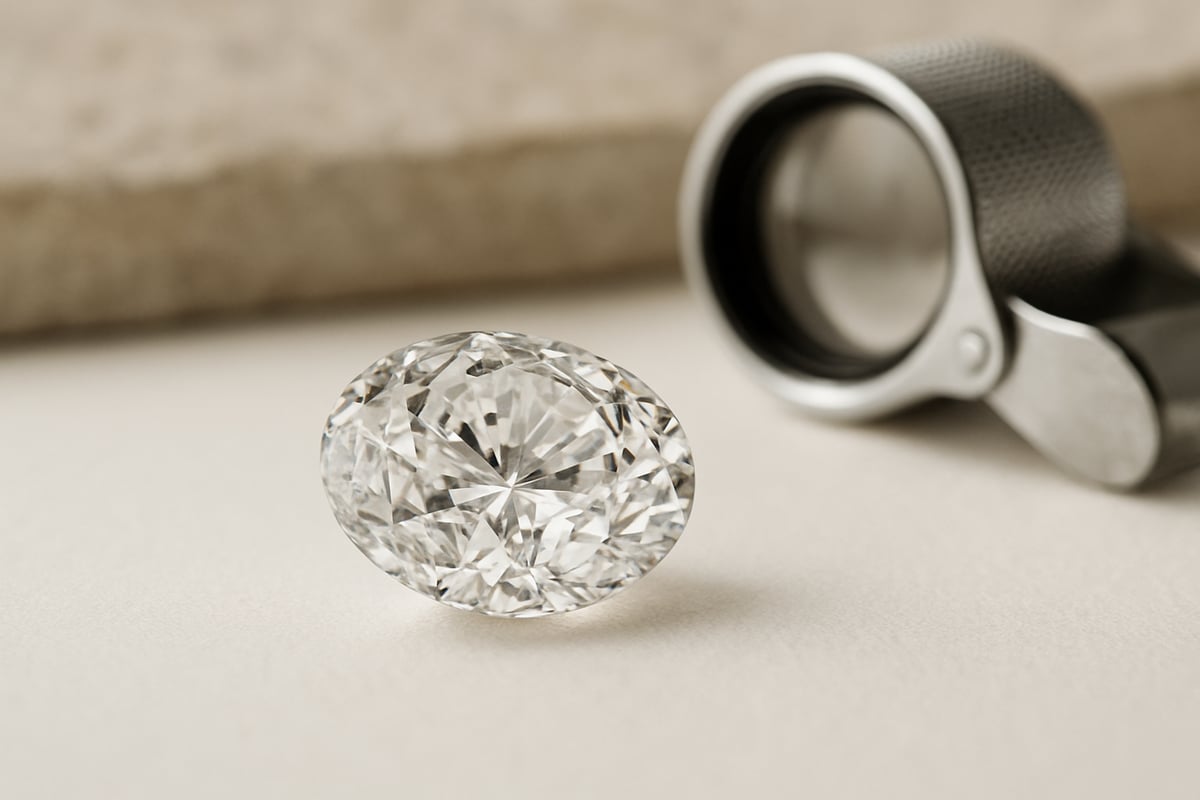
Natural vs. Lab-Grown Diamonds
The main difference between a natural real diamond and a lab-grown counterpart is their origin. While natural real diamonds are created by geological processes, lab-grown diamonds are produced in controlled laboratory environments using high-pressure, high-temperature or chemical vapor deposition techniques.
Despite visual similarities, experts can distinguish a natural real diamond through scientific methods. Advanced spectroscopy, UV light reactions, and analysis of growth patterns help identify a diamond’s true origin. A table below summarizes key differences:
| Feature | Natural Real Diamond | Lab-Grown Diamond |
|---|---|---|
| Origin | Earth’s mantle | Laboratory created |
| Age | Billions of years | Weeks to months |
| Inclusions | Geological patterns | Metallic or linear growth marks |
| Value | Generally higher | Price compression over time |
Market data distributed by GlobeNewswire shows continued growth in the lab-grown segment. However, auction performance consistently demonstrates stronger long-term value retention for high-quality natural stones.
While lab-grown diamonds offer accessibility, the rarity factor of a natural real diamond continues to influence pricing resilience.
Certification: Verifying a Natural Real Diamond
Certification is vital when purchasing a natural real diamond. Reputable gemological institutes like GIA, IGI, and HRD evaluate and certify diamonds, providing buyers with assurance of authenticity and quality. Always look for a certificate that details the diamond’s cut, color, clarity, and carat weight.
A certificate confirms whether the stone is a natural real diamond and provides detailed grading for:
-
Cut
-
Color
-
Clarity
-
Carat
-
Laser inscription reference
For a real-world example, consider these 1.00ct Round Natural Diamond GIA Certified, which showcases what a high-quality, independently certified natural real diamond looks like.
Expert Insight: Evaluating a Natural Real Diamond Correctly
In practice, many buyers focus too heavily on carat weight when selecting a natural real diamond.
However, cut precision and proportions determine brilliance. A well-proportioned 1.20ct stone can visually outperform a poorly cut 1.50ct diamond. Certification confirms authenticity, but light performance determines beauty.
When evaluating a natural real diamond, cut quality should be prioritized above size.
Rarity and Value Proposition
Fewer than 1% of mined diamonds meet the strict standards for gem-quality natural real diamond status. This rarity is a key driver of value and desirability. Each natural real diamond is unique, with its own combination of color, clarity, and inclusions.
Auction records reveal just how prized these gems are. For example, rare natural real diamonds have achieved record prices, reflecting their scarcity and the high demand from collectors and investors alike. When you invest in a natural real diamond, you are securing a piece of Earth’s history.
Key Factors to Consider When Buying a Natural Diamond
Choosing a natural real diamond in 2026 requires more than just an experienced eye. The market is evolving, and buyers need to understand both timeless and emerging factors that influence value and authenticity. Let’s break down what matters most so you can make a confident, informed choice.
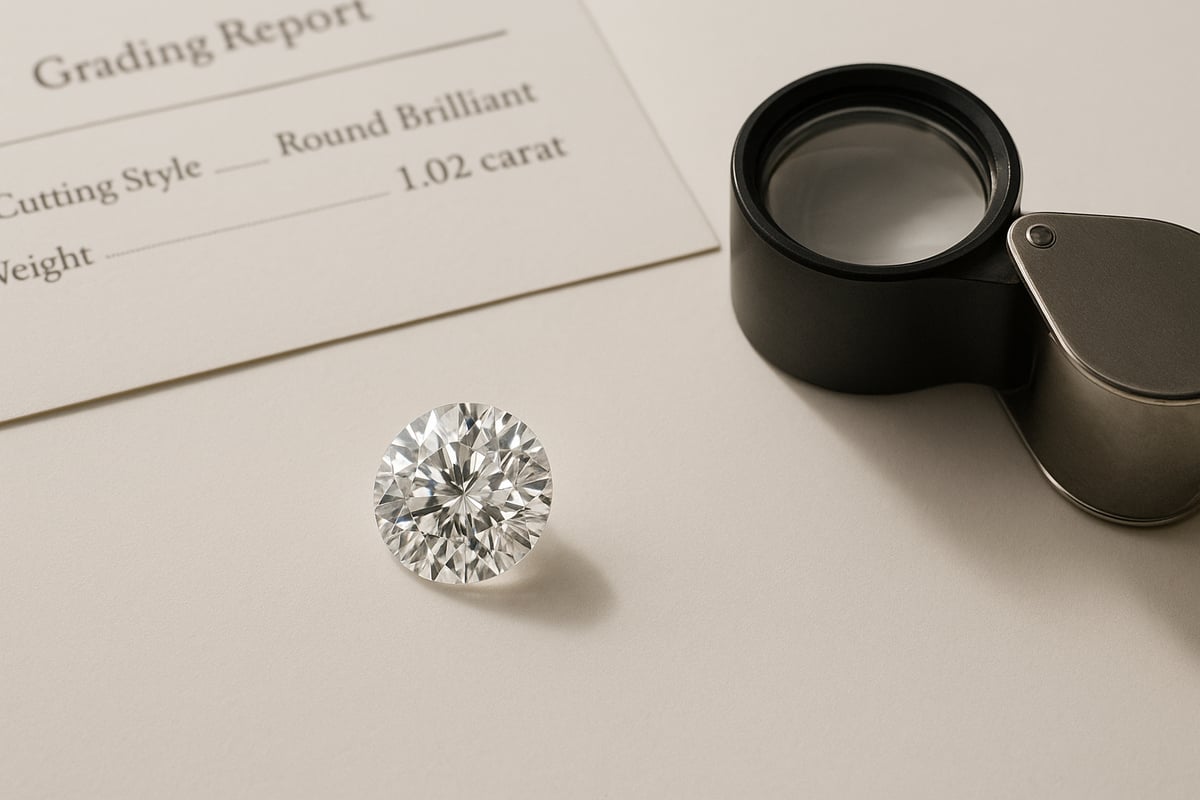
The 4Cs: Cut, Color, Clarity, Carat
The foundation of any natural real diamond’s value rests on the 4Cs. Each “C” reveals something crucial about the stone’s appeal and price.
| 4C | What It Measures | Impact on Value |
|---|---|---|
| Cut | Proportions, angles | Sparkle, brilliance |
| Color | Colorlessness (D-Z) | Rarity, price premium |
| Clarity | Flaws/inclusions | Transparency, rarity |
| Carat | Weight (not size) | Larger stones, higher cost |
A small shift in clarity from VS1 to VVS2, or a slightly better cut, can change a diamond’s price noticeably. Always check that your natural real diamond has been graded by a respected lab and that the 4Cs are clearly documented.
Beyond the 4Cs: Additional Value Indicators
While the 4Cs form the core of diamond grading, buyers in 2026 are looking beyond them. Factors like fluorescence, symmetry, and polish can subtly influence both beauty and value.
- Fluorescence: Some diamonds glow under UV light, which can affect appearance and price.
- Symmetry & Polish: Well-finished stones reflect light more evenly.
- Origin & Traceability: Knowing where a natural real diamond comes from is more important than ever, offering peace of mind and sometimes a premium.
- Shape & Trends: Fancy shapes and unique cuts are gaining popularity, so consider how fashion trends might influence your purchase.
These technical proportions influence brilliance and overall appearance. Modern grading tools, including AI-supported analysis, improve consistency in identifying quality standards.
Ethical Sourcing and Sustainability
Responsible sourcing is now central to purchasing decisions.
The Kimberley Process was created to prevent conflict diamonds from entering the global supply chain. In addition, EU regulations continue to strengthen compliance standards.
A reputable supplier of a natural real diamond should provide:
-
Conflict-free documentation
-
Transparent sourcing disclosures
-
Chain-of-custody information
Price Trends and Market Data (2024–2026)
Global supply of natural real diamond production is tightening as major mines mature. Fewer large-scale discoveries contribute to constrained output.
Industry analysis from Bain & Company highlights continued demand for high-quality stones, particularly those meeting strict grading standards.
Meanwhile, lab-grown diamonds experience retail price compression due to scalable production capacity. This widening pricing gap reinforces the rarity premium of a natural real diamond.
To stay updated, consult reliable resources that track diamond prices and indices. For example, the Natural Diamond Price Trends 2025 report provides valuable insights into recent shifts and what might lie ahead. Understanding these trends helps buyers make smart decisions and avoid overpaying.
How to Read and Interpret Diamond Certificates
A diamond’s certificate is your roadmap to understanding its qualities. Reputable labs like GIA, IGI, or HRD issue detailed reports that summarize cut, color, clarity, and carat, plus other factors.
Key sections to review include the grading scales, any comments on treatments or enhancements, and the certificate number for verification. Watch out for vague language or missing details, as these can signal lower confidence in the stone’s authenticity. Every natural real diamond you consider should come with a clear, independent grading report.
Common Mistakes to Avoid
Even savvy buyers can make missteps when choosing a natural real diamond. Here are frequent pitfalls to watch for:
- Focusing on brand over quality
- Confusing carat weight with actual visible size
- Ignoring certificate verification
- Overlooking ethical sourcing details
- Forgetting to compare several stones before deciding
Take your time, ask questions, and always prioritize transparency. With careful attention to these key factors, your natural real diamond purchase in 2026 will be both rewarding and secure.
How to Distinguish Natural Diamonds from Lab-Grown and Simulants
Gemologists identify a natural real diamond using:
-
Spectroscopic analysis
-
UV fluorescence testing
-
Microscopic inclusion examination
-
Growth pattern assessment
Simulants such as cubic zirconia or moissanite differ in hardness and light behavior. While visually convincing, they can be distinguished through professional testing.
Certification remains the most reliable proof of a natural real diamond.
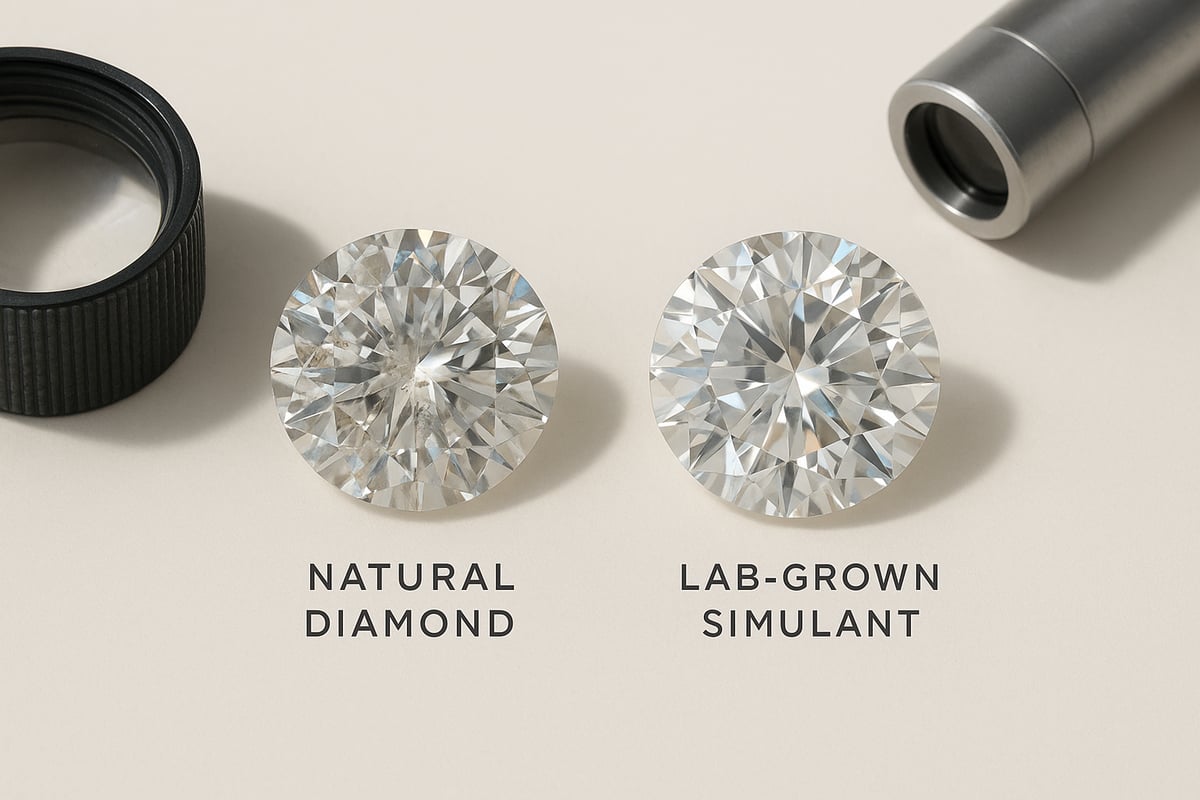
Scientific Identification Methods
Specialized scientific tools are the foundation for distinguishing a natural real diamond from its lab-grown and simulant counterparts. Gemologists use spectroscopic analysis to examine how a diamond interacts with light at various wavelengths. This method can reveal unique absorption patterns only present in a natural real diamond.
Another technique is observing the diamond’s response to ultraviolet light. Natural diamonds often fluoresce differently than lab-grown stones. Inclusions, or internal features, are also examined under high magnification. The pattern and type of inclusions typically differ between a natural real diamond and lab-grown gems, since their growth environments are not the same.
Using advanced equipment, experts can spot even the most convincing simulants or synthetics. For anyone considering a significant purchase, requesting a scientific assessment is a wise step.
Visual and Physical Differences
While scientific tools are powerful, there are also subtle visual clues that can help identify a natural real diamond. Under magnification, natural diamonds display irregular inclusions, such as tiny minerals or growth lines, which are much less common in lab-grown stones.
Lab-grown diamonds tend to have distinctive patterns, including metallic inclusions or parallel growth lines from their manufacturing process. Simulants like cubic zirconia or moissanite may appear too perfect or display different light dispersion, giving off a rainbow effect not seen in a natural real diamond.
Here is a simple comparison:
| Feature | Natural Real Diamond | Lab-Grown Diamond | Simulant (CZ, Moissanite) |
|---|---|---|---|
| Inclusions | Irregular, natural | Metallic, linear | Usually flawless |
| Light Reflection | Subtle, sharp | Similar to natural | Strong rainbow colors |
| Hardness (Mohs) | 10 | 10 | 8–9.25 |
Having a professional examine these characteristics is always recommended before making a purchase.
Certification as Proof of Origin
Certification is the most reliable way to confirm the origin of a natural real diamond. Reputable laboratories like GIA, IGI, or HRD provide detailed certificates outlining a diamond’s characteristics and verifying whether it is natural or lab-grown.
A certificate for a natural real diamond will specify its origin, grading details, and security features like holograms or microprinting. Always ask to see the certificate and verify its authenticity through the issuing laboratory’s website.
Certification not only gives peace of mind but also protects your investment. It ensures that the natural real diamond you are buying meets strict standards and is not a simulant or synthetic.
Market Trends: Lab-Grown vs. Natural Demand
Not every stone qualifies as an investment, but certain categories of natural real diamond demonstrate resilience.
Investment-grade characteristics typically include:
-
High color and clarity
-
Excellent cut proportions
-
Strong certification
-
Desirable shape
-
Rarity or provenance
At major auctions, exceptional natural diamonds consistently command strong prices compared to synthetic alternatives.
Practical Tips for Buyers
When shopping for a natural real diamond, keep these tips in mind:
- Ask for a certificate from a reputable laboratory.
- Request to view the diamond under magnification.
- Compare inclusions and growth patterns.
- Clarify the stone’s origin and check documentation online.
- Trust established sellers with transparent sourcing policies.
Following these steps will help ensure you purchase an authentic natural real diamond. Stay informed and cautious, and always prioritize independent verification for peace of mind.
Step-by-Step Guide: How to Buy a Natural Real Diamond in 2026
Step 1: Define Your Budget
Clarify whether your priority is size, rarity, or long-term value.
Step 2: Compare Certified Stones
Focus on cut quality first when evaluating a natural real diamond.
Step 3: Verify Documentation
Confirm certificate authenticity through GIA, IGI, or HRD. For a deeper understanding of what an authentic certificate looks like, visit Understanding Diamond Certification for a real-world example. If possible, seek an independent gemologist’s opinion before purchase.
Step 4: Assess Seller Transparency
Ensure VAT clarity within the EU and independent verification before dispatch.
Step 5: Secure Insured Shipping
High-value natural real diamond purchases should always ship insured and signature-required.
EU Advantage When Buying a Natural Real Diamond
For European buyers, purchasing a natural real diamond from within the EU reduces customs uncertainty and unexpected VAT adjustments.
VAT-inclusive pricing and local verification strengthen trust and simplify cross-border logistics.
Frequently Asked Questions About Natural Real Diamonds
What makes a natural real diamond different from a lab-grown diamond?
A natural real diamond forms over billions of years within the Earth, while lab-grown diamonds are produced in controlled laboratory environments.
Is a natural real diamond a good investment in 2026?
High-quality natural real diamonds with strong certification and rarity factors have historically demonstrated resilience in value retention.
How can I verify a natural real diamond certificate?
Enter the report number on the official website of the issuing laboratory such as GIA, IGI, or HRD.
Are natural real diamonds ethically sourced?
Reputable suppliers comply with the Kimberley Process and EU trade regulations.
Where can I find classic natural real diamond ring styles?
For timeless designs featuring authentic diamonds, explore the Classic Natural Diamond Rings Collection, where each piece is certified and crafted to highlight the beauty of a natural real diamond.
As we’ve explored, understanding what truly sets natural diamonds apart - everything from their billion year formation to gemological certification - is key to making an informed choice in 2026’s evolving market. If you’re ready to take the next step and see for yourself how factors like rarity, provenance, and independent grading come together, you can review natural diamonds available within the EU. Here, you’ll find a curated selection, each stone certified by expert gemologists and shipped without extra VAT or customs, so you can make your decision with confidence and clarity.
Final Thoughts on Buying a Natural Real Diamond
A natural real diamond represents geological rarity, finite supply, and measurable grading standards. In a market offering increasing alternatives, informed buyers prioritize certification, cut precision, ethical sourcing, and transparent pricing.
With tightening global supply and evolving compliance standards, 2026 presents a mature environment for purchasing a natural real diamond with confidence.


